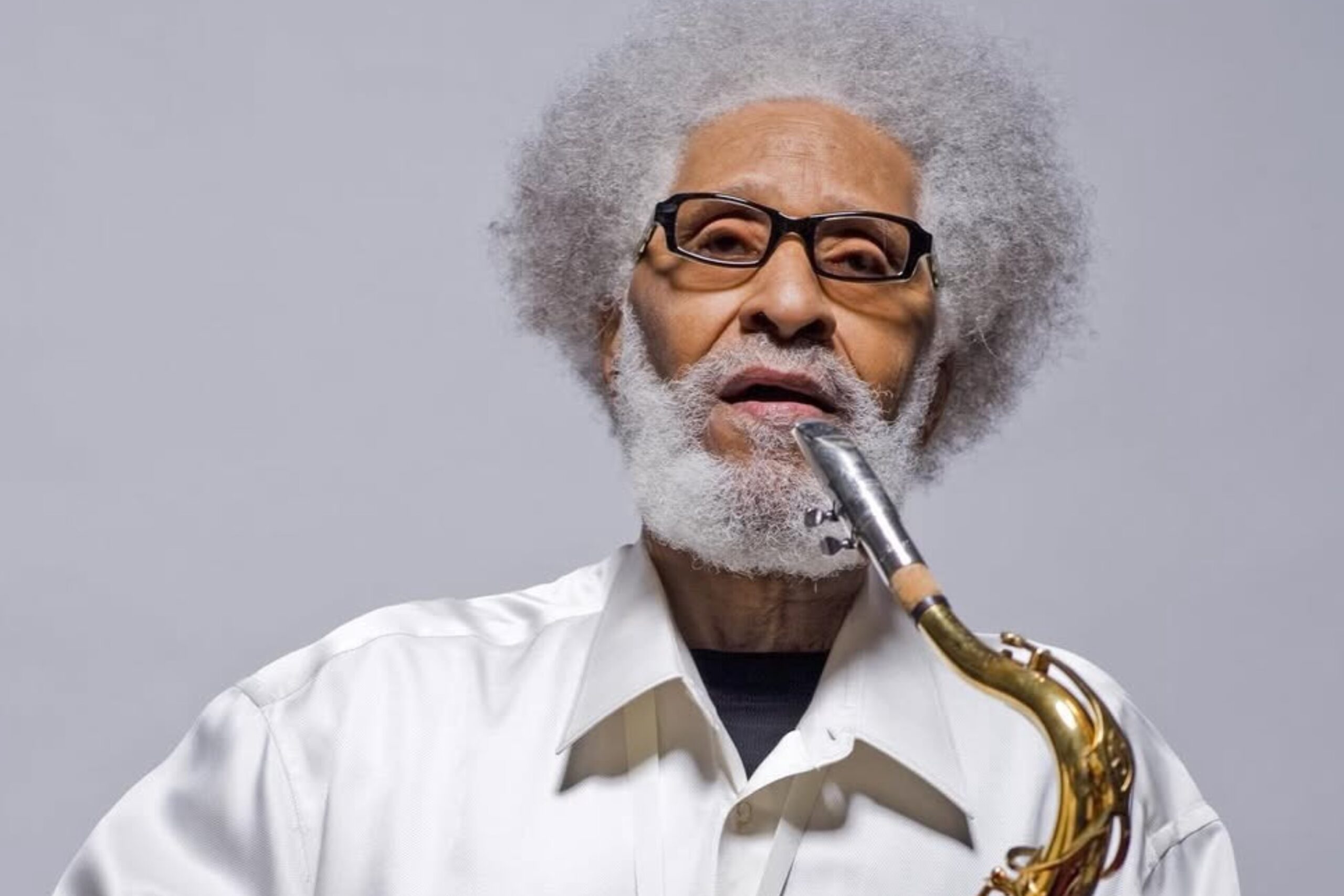
The world of jazz is mourning the loss of legendary tenor saxophonist Sonny Rollins, widely regarded as one of the greatest and most influential musicians in jazz history. Rollins passed away Monday afternoon at his home in Woodstock, New York, at the age of 95, according to a statement released by his longtime publicist, Terri Hinte.
“It is with deep sorrow and profound love that we announce the passing of Sonny Rollins,” the statement read. “The Saxophone Colossus died this afternoon at his home in Woodstock, NY at the age of 95.”
No official cause of death was announced, though Rollins had reportedly battled pulmonary fibrosis and other respiratory issues in recent years. Health complications forced him to retire from touring in 2012, and he stopped playing altogether in 2014.
Known as the “Saxophone Colossus,” Rollins stood among the giants of the bebop era alongside jazz icons John Coltrane and Charlie Parker. Revered for his massive tone, fearless improvisation, and innovative approach to jazz, Rollins helped redefine modern saxophone playing over a remarkable career spanning more than seven decades.
Born Theodore Walter Rollins on Sept. 7, 1930, in Harlem, New York City, he grew up in the culturally rich Sugar Hill neighborhood surrounded by future jazz greats. Though his parents — immigrants from the Virgin Islands — initially hoped he would pursue more traditional interests, Rollins became captivated by the saxophone at age 11 and never looked back.
Throughout his legendary career, Rollins collaborated with some of the biggest names in jazz history, including Miles Davis, Dizzy Gillespie, Thelonious Monk, Art Blakey, and Charlie Parker.
He released more than 60 albums as a bandleader, including several now considered masterpieces of jazz. His landmark 1956 album Saxophone Colossus cemented his place in music history, featuring the classic composition “St. Thomas.” Other celebrated recordings included Way Out West, The Bridge, Freedom Suite, and A Night at the Village Vanguard.
In 2017, the Library of Congress inducted “Saxophone Colossus” into the National Recording Registry, praising the album’s “power, grace and humour.”
Rollins also crossed into mainstream pop culture. Rock audiences recognized his memorable saxophone work on Tattoo You by The Rolling Stones, particularly on the song Waiting on a Friend, which featured one of his most beloved guest performances.
Over the course of his life, Rollins earned countless honors, including being named a National Endowment for the Arts Jazz Master, receiving the National Medal of the Arts in 2010, and earning a Kennedy Center Honor in 2011. Former President Barack Obama once praised Rollins for inspiring him “to take risks that I might not otherwise have taken.”
Even into his 80s, Rollins remained committed to music, maintaining a rigorous practice schedule and continuing to perform worldwide. Though illness eventually silenced his saxophone, his influence never faded.
Sonny Rollins is survived by his nephew Clifton Anderson and nieces Vallyn Anderson and Gabrielle DeGroat.
His passing marks the end of an era in jazz, but his groundbreaking music and enduring legacy will continue to inspire generations to come.