
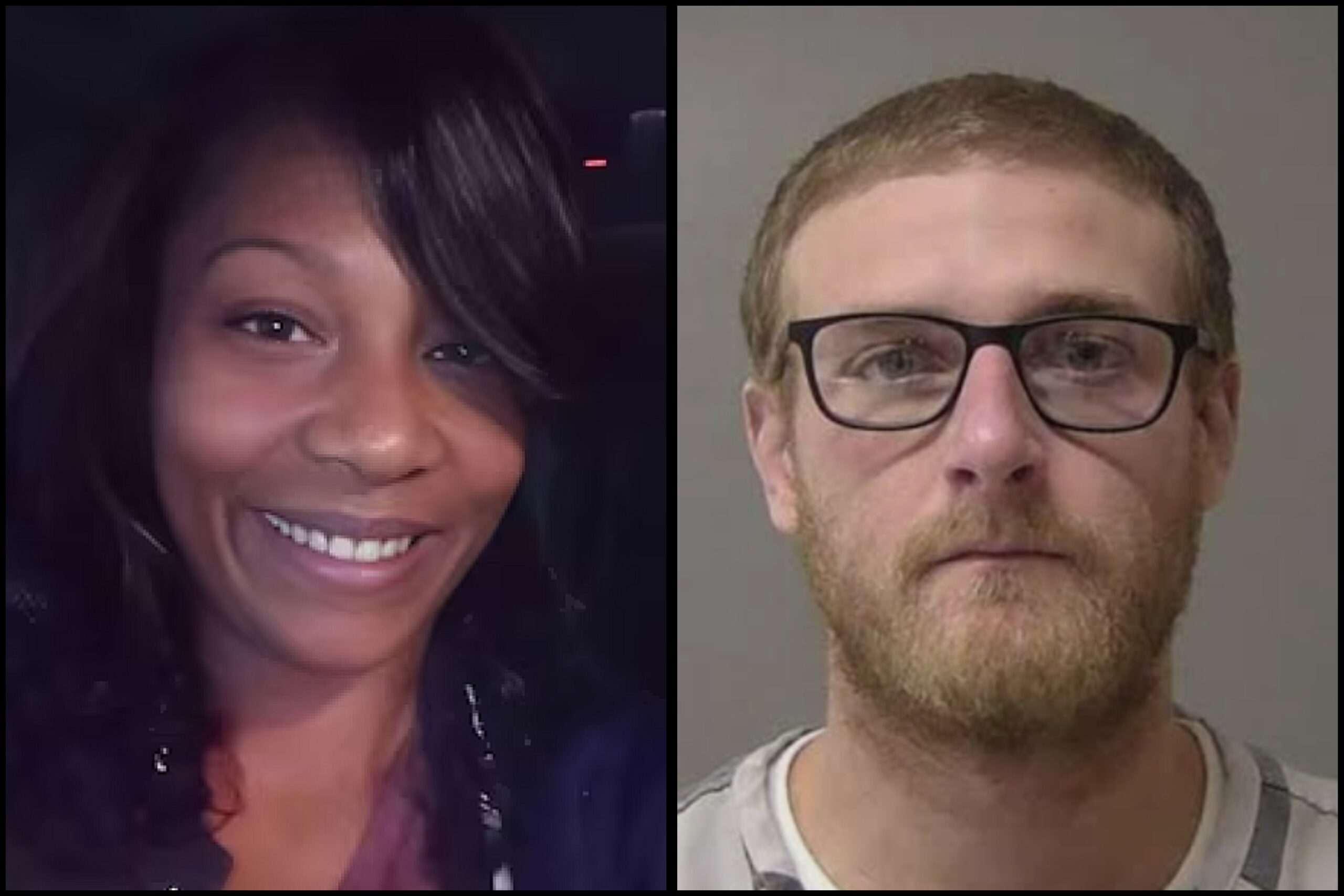
Former Illinois sheriff’s deputy Sean Grayson will remain behind bars after the Illinois Prisoner Review Board unanimously denied his request for an early medical release from prison.
The three-member board voted 3-0 on Friday to reject Grayson’s petition, ensuring that he will continue serving the 20-year prison sentence he received earlier this year for the fatal 2024 shooting of Sonya Massey.
Grayson, who was convicted of second-degree murder, sought compassionate release after being diagnosed with Stage 4 colon cancer that has spread to his liver and lungs. His attorneys argued that his deteriorating health warranted an early release from prison. However, prosecutors opposed the request, noting that Grayson had already been diagnosed with cancer before the shooting occurred and arguing that his medical condition had already been considered during sentencing.
Massey, a 36-year-old Black woman, was fatally shot inside her Springfield-area home in July 2024 after calling 911 to report a possible intruder. Body camera footage showed the encounter escalating after Massey picked up a pot of hot water in her kitchen and told Grayson, “I rebuke you in the name of Jesus.” Moments later, Grayson fired the fatal shots. The incident sparked nationwide outrage, protests, and renewed calls for police accountability.
Grayson was convicted in October 2025 and, in January 2026, received the maximum sentence of 20 years in prison. During sentencing, the court acknowledged his cancer diagnosis but determined that his medical condition did not justify a lesser sentence or prevent him from receiving appropriate treatment while incarcerated.
Following Friday’s decision, Sonya Massey’s family expressed relief that Grayson will remain incarcerated. Family members noted that while they welcomed the ruling, they remain concerned because Illinois law allows him to apply for medical release again in the future.
Civil rights attorneys representing Massey’s family also praised the board’s decision, saying it reinforces that no one is above the law and that accountability must be upheld regardless of a person’s former position in law enforcement.