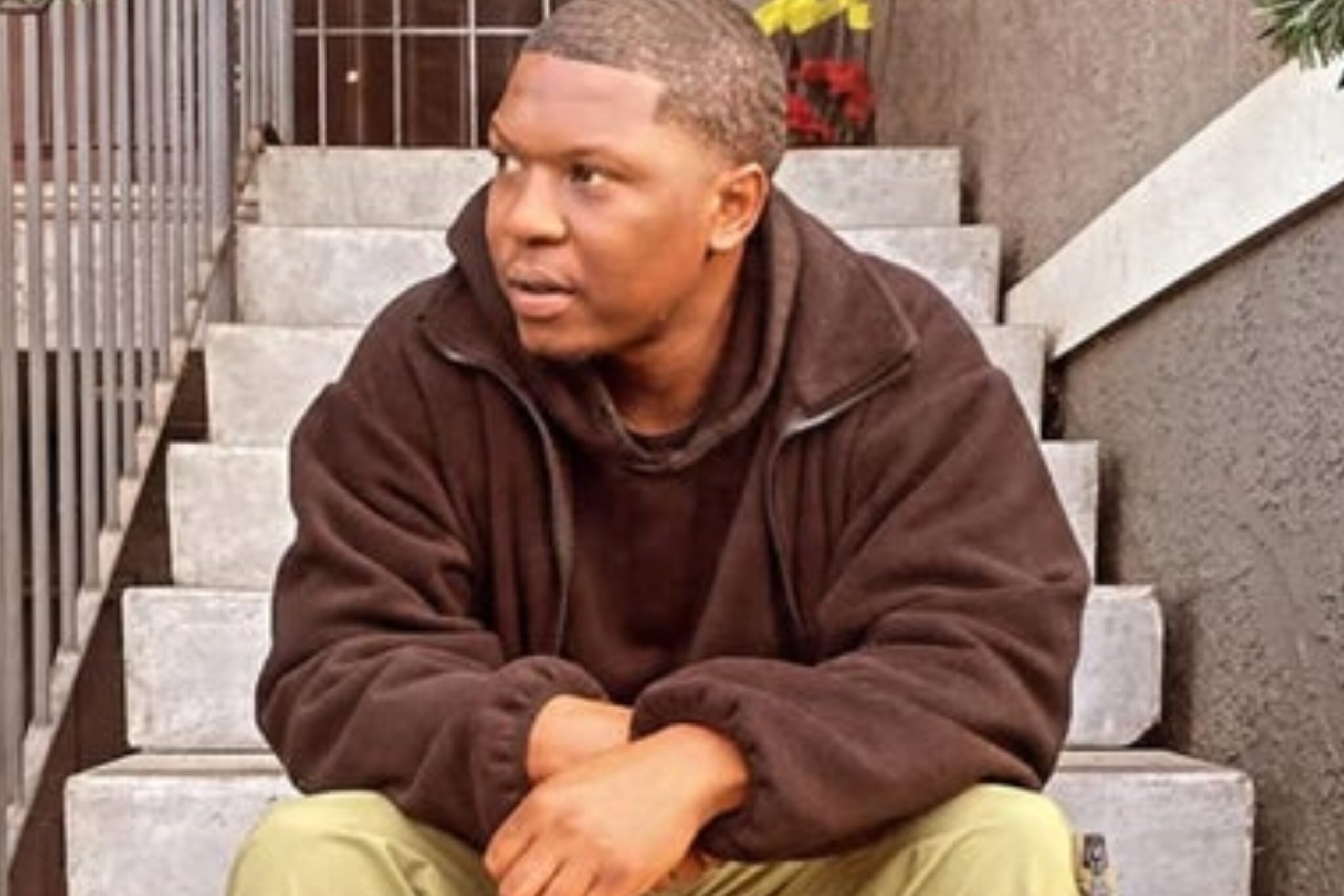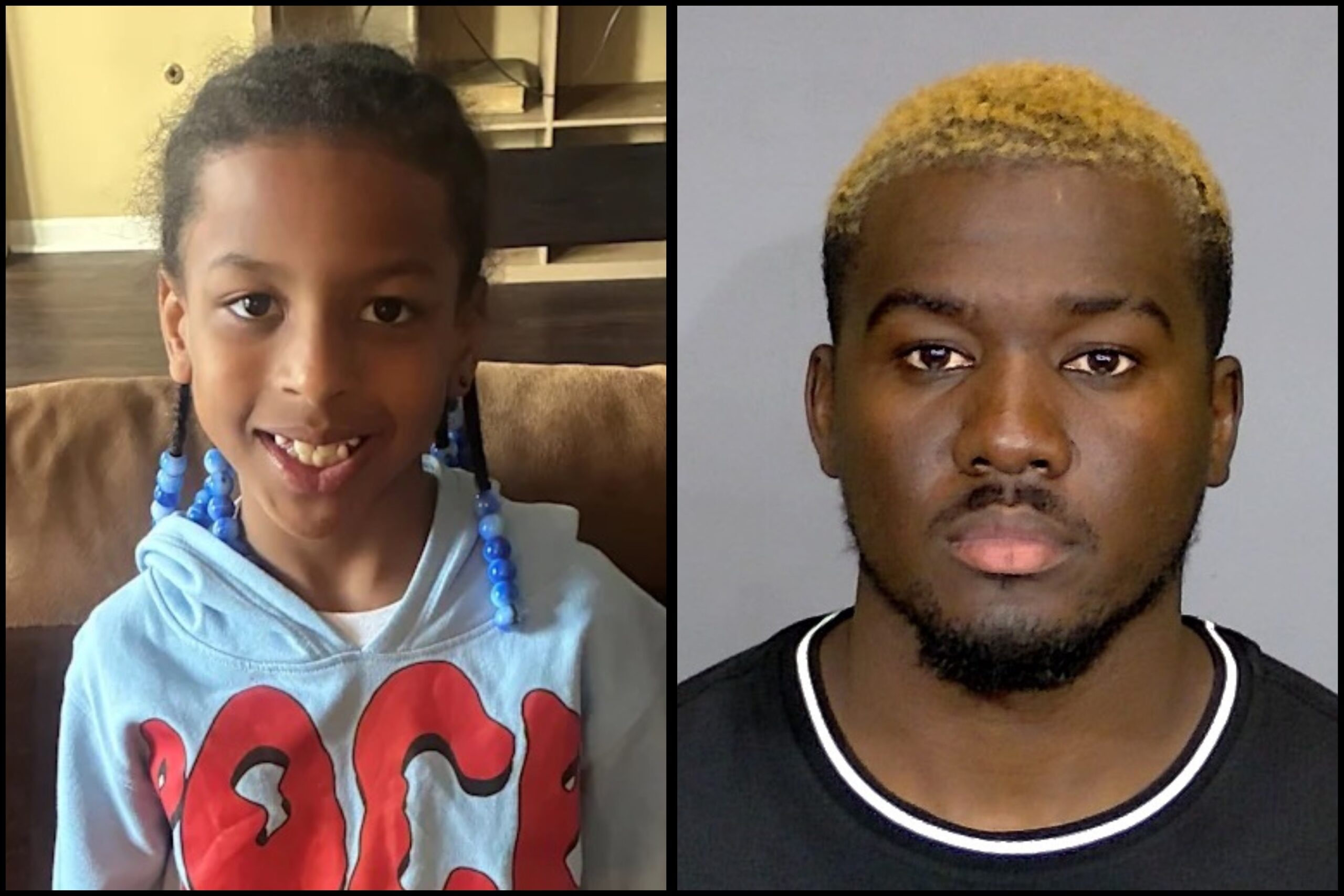
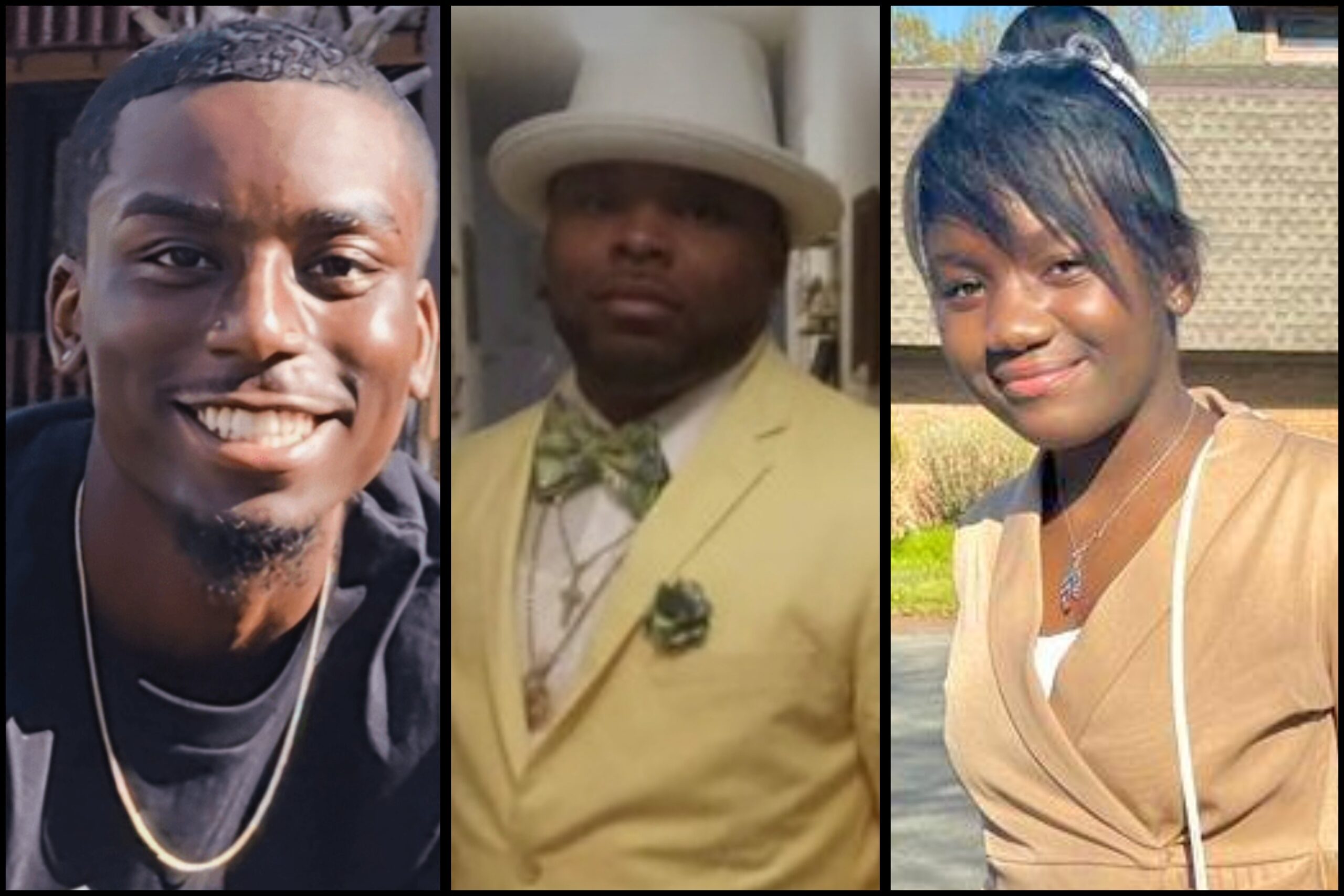
A series of deaths involving Black Americans found hanging from trees or other locations across the United States has renewed painful memories of America’s history of lynching and prompted families, activists and investigators to demand answers.
The cases have gained widespread attention on social media, where images of several of the victims have been circulated together under claims that they were “found hanging from trees.” However, authorities have not established a connection between the deaths, and several of the cases have officially been ruled suicides.
The Washington Informer reports that the cases include Javion Magee, Dennoriss Richardson, Earl Smith, Demartravion “Trey” Reed, Kyle Basalinga, Juliana Nzita, To’Nea Nicole Miller and Jerard Jackson.
While the circumstances surrounding each death are different, the similarities have raised questions among relatives and members of Black communities who point to the nation’s history of racial violence.
Several Deaths Ruled Suicides
Magee, an 18-year-old truck driver from the Chicago area, was found beneath a tree in Henderson, North Carolina, in September 2024. Authorities said there was no evidence of foul play, but his family has continued to seek a fuller explanation of his death.
Richardson, 28, was found hanging inside an abandoned house in Alabama in September 2024. His death was ruled a suicide, although his family disputed the conclusion.
In June, 58-year-old Smith was found hanging from a tree near Green and South streets in Albany, New York. Authorities determined his death was a suicide.
Reed, a 21-year-old freshman at Delta State University in Mississippi, was found hanging from a tree on campus in September 2025. His death was also ruled a suicide. His family later confirmed that his girlfriend said Reed had sent suicidal text messages the night before his body was discovered.
Other cases have generated questions because of circumstances surrounding where or how the bodies were discovered.
Nzita, 21, was found hanging from a tree on church property in Charlotte, North Carolina, in May. Reports about the circumstances—including that her feet reportedly touched the ground and that a small chair was nearby—caused her family to question the official determination of suicide. Authorities closed the investigation within days.
Miller, of Flint, Michigan, was found dead at Gwen Cherry Park in Miami on June 18. Social media users quickly described her death as a possible lynching. Miami-Dade authorities, however, said the evidence was consistent with suicide and that investigators found no evidence of foul play.
Even members of Miller’s family have expressed differing views about the official finding.
Jackson was found hanging from a tree in Rothbury, Michigan, on June 30. His death is among the cases that have contributed to broader public concern and calls for greater transparency.
A New Case in Mississippi
The most recent case involves 29-year-old Tasia Fortune, a mother of four who was found hanging from a tree behind a vacant house in Jackson, Mississippi, on August 3.
The location—on the 500 block of Road of Remembrance—has added another painful layer to the case because of Mississippi’s history of racial violence.
Fortune’s body was identified three days after it was discovered. An autopsy was performed on August 12, but authorities have not publicly released a final cause and manner of death. Jackson police have said the investigation remains open.
Fortune’s mother, Christy Spivey, has publicly rejected the possibility that her daughter died by suicide.
“She did not do this to herself,” Spivey said, according to the Washington Informer.
Her statement reflects the concerns being voiced by families in several of the other cases: that official conclusions should be supported by thorough investigations and transparent evidence.
History Makes the Cases Especially Painful
For many Black Americans, reports of Black people being found hanging from trees inevitably evoke the history of lynching in the United States.
Lynchings were used for decades as a tool of racial terror, particularly in the South, with victims often killed and their bodies publicly displayed as a warning to others.
That history remains a significant reason why cases involving Black people found hanging can generate fear and suspicion even when authorities determine that there is no evidence of homicide.
The Washington Informer notes that civil rights attorney Jill Collen Jefferson’s organization, JULIAN, released a report earlier this year documenting what it describes as more than 70 suspected modern-day lynchings across several Southern states between 2000 and 2025.
At the same time, advocates have cautioned against assuming that every death involving a hanging is connected to racial violence or homicide.
Bernice King, the daughter of civil rights leader Martin Luther King Jr., urged people to exercise caution while acknowledging the fear and historical trauma surrounding the cases.
She emphasized the importance of transparency, thorough investigations and truth.
The Questions Remain
At this point, there is no established evidence connecting the deaths as part of a single coordinated series, and authorities have ruled several of them suicides.
Still, families continue to ask questions about individual cases, while activists are calling for investigations that leave no reasonable possibility unexplored.
The death of Tasia Fortune remains particularly unresolved because investigators have not yet publicly announced a final cause and manner of death.
For her family, the wait for answers is deeply personal.
As investigators continue examining the circumstances surrounding Fortune’s death, the broader debate surrounding these cases highlights a difficult reality: America’s history of racial terror continues to influence how communities interpret unexplained deaths today.
For the families involved, however, the issue is not simply history. It is about getting definitive answers about what happened to their loved ones—and making sure every unanswered question is investigated.