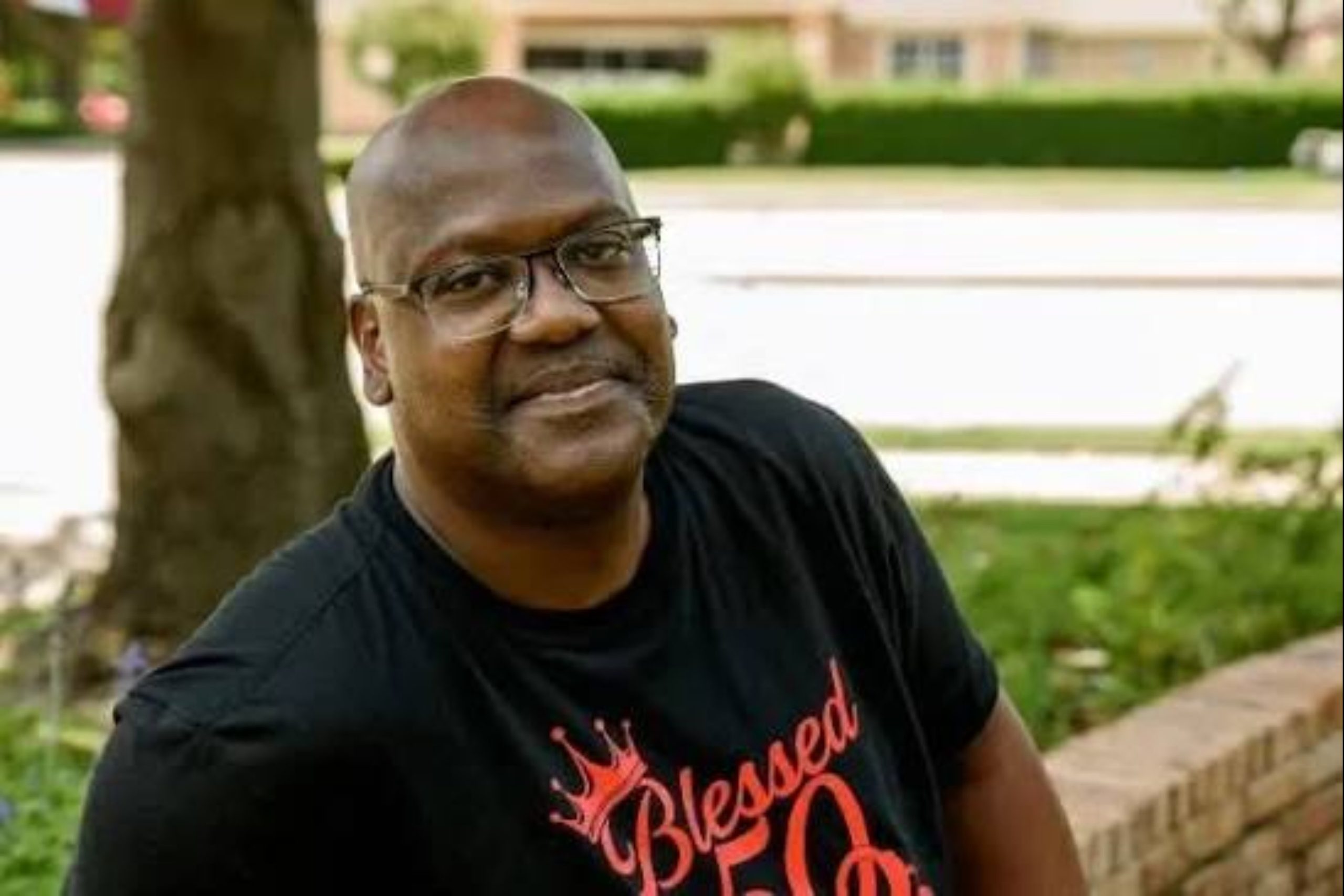
Curtis Flowers, whose wrongful convictions and repeated trials became a landmark case in the fight against racial bias in the American justice system, has died at the age of 56.
Flowers was found dead at his home in Winona, Mississippi, on October 7, 2026, according to reports from his attorney, Rob McDuff. His cause of death has not been publicly confirmed, and authorities said the circumstances surrounding his death remain under investigation.
Flowers spent nearly 23 years behind bars after being accused of the 1996 murders of four people at Tardy Furniture in Winona. Despite maintaining his innocence, he was prosecuted six times for the same killings by the same district attorney, Doug Evans. The case drew national attention because of concerns about prosecutorial misconduct and the exclusion of Black jurors.
A Case That Changed the Fight for Justice
On July 16, 1996, four people were shot and killed inside the furniture store: owner Bertha Tardy and employees Robert Golden, Carmen Rigby and Derrick Stewart. Flowers, who had briefly worked at the store, was arrested months later and accused of committing the murders.
The legal battle that followed lasted more than two decades. Three of Flowers’ convictions were overturned by the Mississippi Supreme Court, while two other trials ended without a conviction because jurors could not reach a unanimous decision. At his sixth trial in 2010, Flowers was convicted again and sentenced to death.
Questions about the fairness of the proceedings intensified after the investigative podcast In the Dark examined the case, uncovering evidence and witness accounts that cast doubt on the prosecution’s theory and raised further concerns about how the case had been handled.
In June 2019, the U.S. Supreme Court overturned Flowers’ conviction in a 7–2 decision. The court found that the prosecution had violated his constitutional right to a fair trial by systematically excluding Black prospective jurors. Across the six trials, prosecutor Doug Evans had struck 41 of 42 Black prospective jurors, according to the court record.
Flowers was released on bail in December 2019 after spending more than 22 years in prison, including time on death row. In September 2020, Mississippi Attorney General Lynn Fitch’s office dropped the charges against him, ending the possibility of a seventh trial.
Following his release, Flowers reflected on the years he had lost. In a statement, he said, “Today, I am finally free from the injustice that left me locked in a box for nearly twenty three years.”
In 2021, a judge ordered the state of Mississippi to pay Flowers $500,000 in compensation for his wrongful imprisonment. Flowers also filed a lawsuit against Evans and investigators involved in the case, though the lawsuit was ultimately dismissed and the dismissal was upheld on appeal.
Remembering Curtis Flowers
Although Flowers finally regained his freedom, he could never recover the years he spent incarcerated while fighting to prove his innocence. His case became a powerful example of the consequences of racial discrimination in jury selection and the importance of protecting the constitutional right to a fair trial.
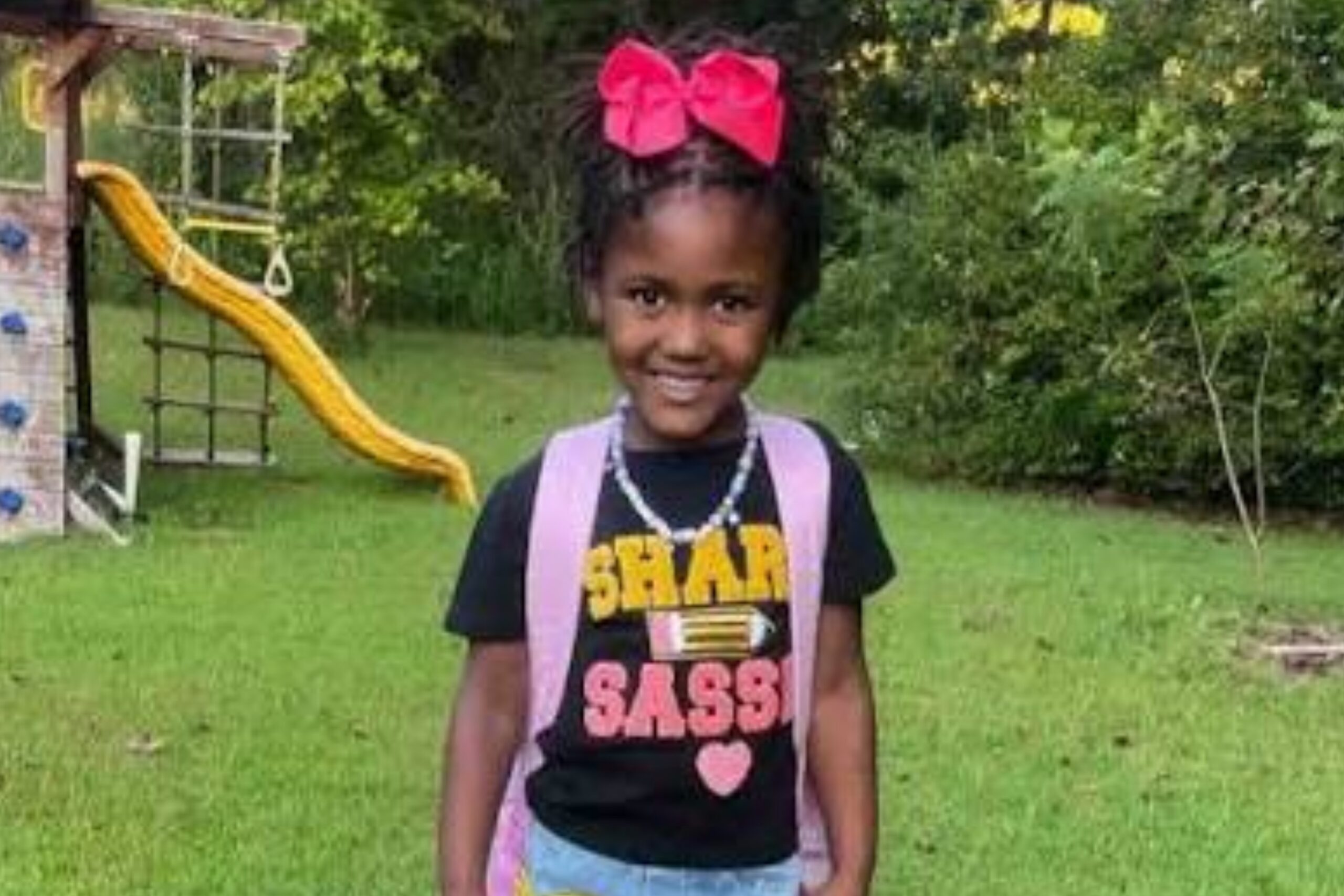
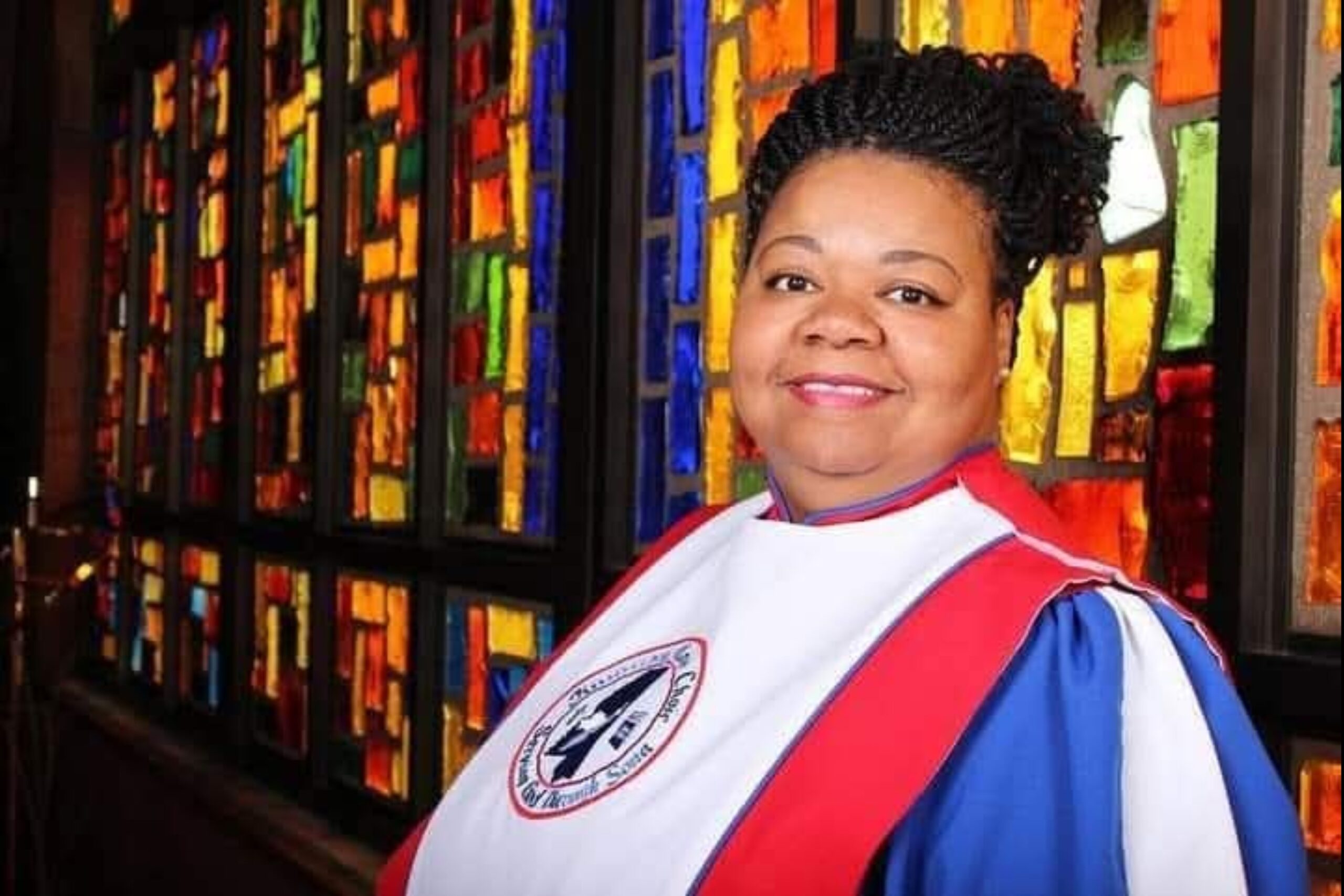
Flowers leaves behind his wife, Marlena Wright, his daughter, Crystal, his granddaughter, Ariel, siblings and extended family. His death comes as his case continues to resonate in conversations about wrongful convictions, racial bias and accountability within the criminal justice system.
Y’all Know What extends heartfelt condolences to Curtis Flowers’ wife, daughter, granddaughter, siblings and all his loved ones. May his family find strength and comfort as they mourn his passing.
Curtis Flowers fought for more than two decades to reclaim his freedom. His story will remain a sobering reminder that justice delayed can change a life forever—and that the fight for a fair trial must never be abandoned.