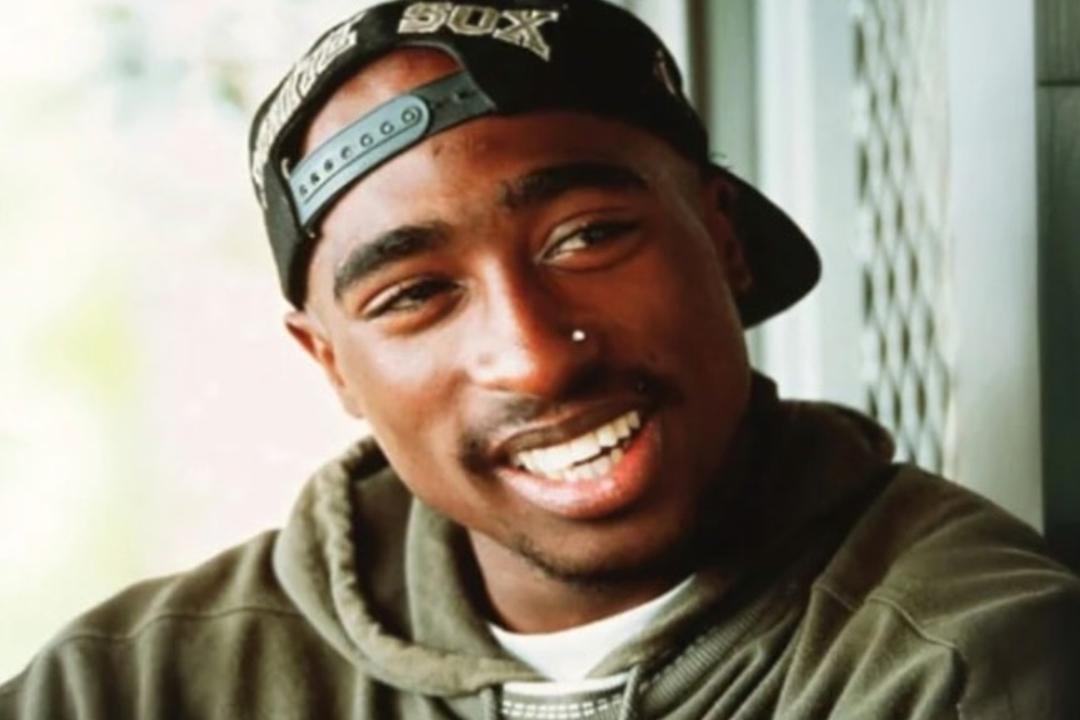
The family of legendary rapper Tupac Shakur has filed a wrongful death lawsuit in a renewed push for justice nearly three decades after his fatal 1996 shooting.
According to reports, the lawsuit was filed by Tupac’s stepbrother, Maurice Shakur, and targets Duane “Keffe D” Davis—the only person ever charged in connection with the rapper’s killing—along with numerous unnamed co-conspirators.
Seeking Accountability After Decades
The civil complaint alleges that Tupac’s murder was part of a broader conspiracy involving multiple individuals who have never been held accountable. The family is seeking both damages and new information that could reveal the full scope of those involved.
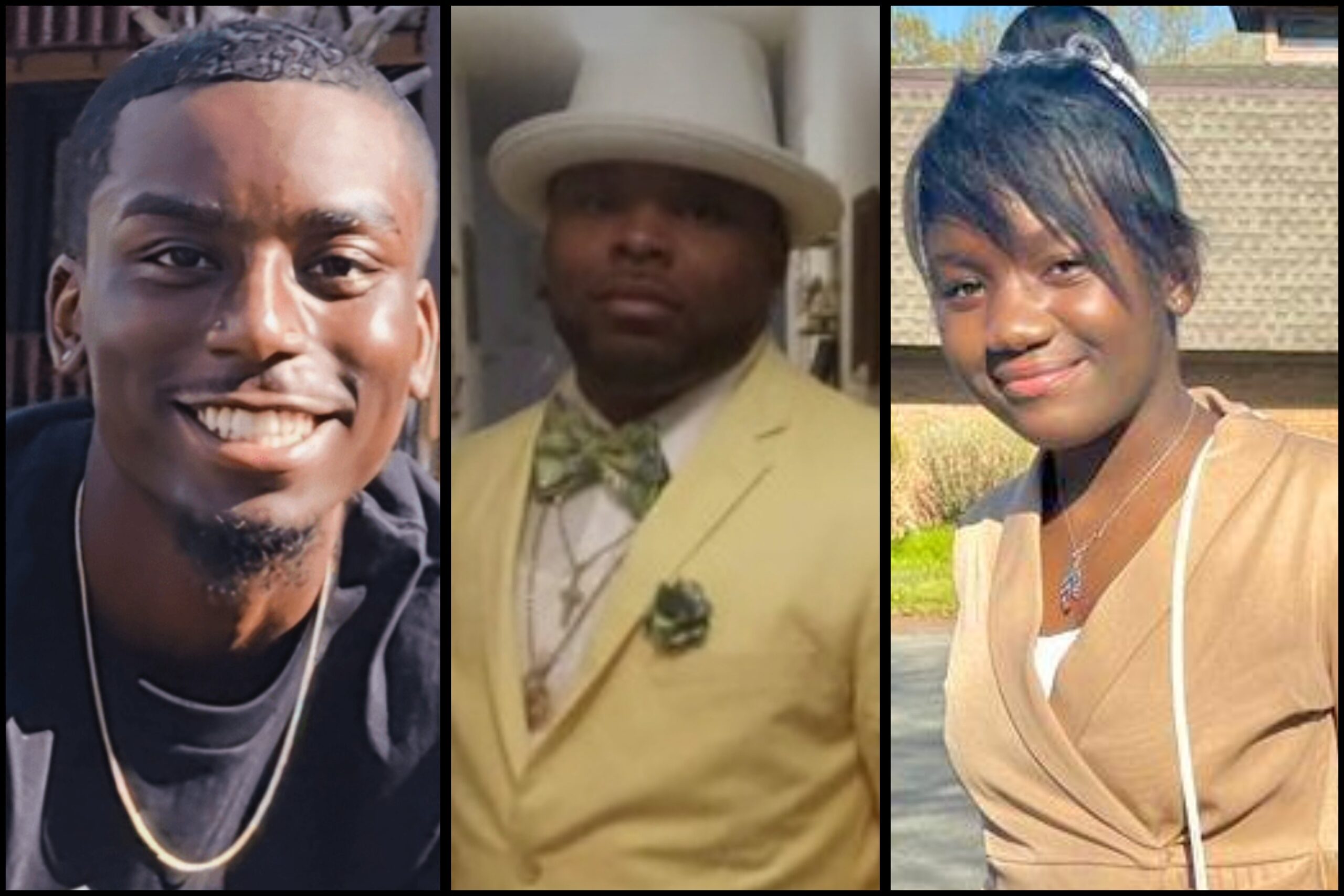
Attorneys for the family argue that, despite the passage of time, key questions remain unanswered. The lawsuit aims to identify as many as dozens of additional suspects and clarify each person’s role in the killing.
Focus on Keefe D and Alleged Co-Conspirators
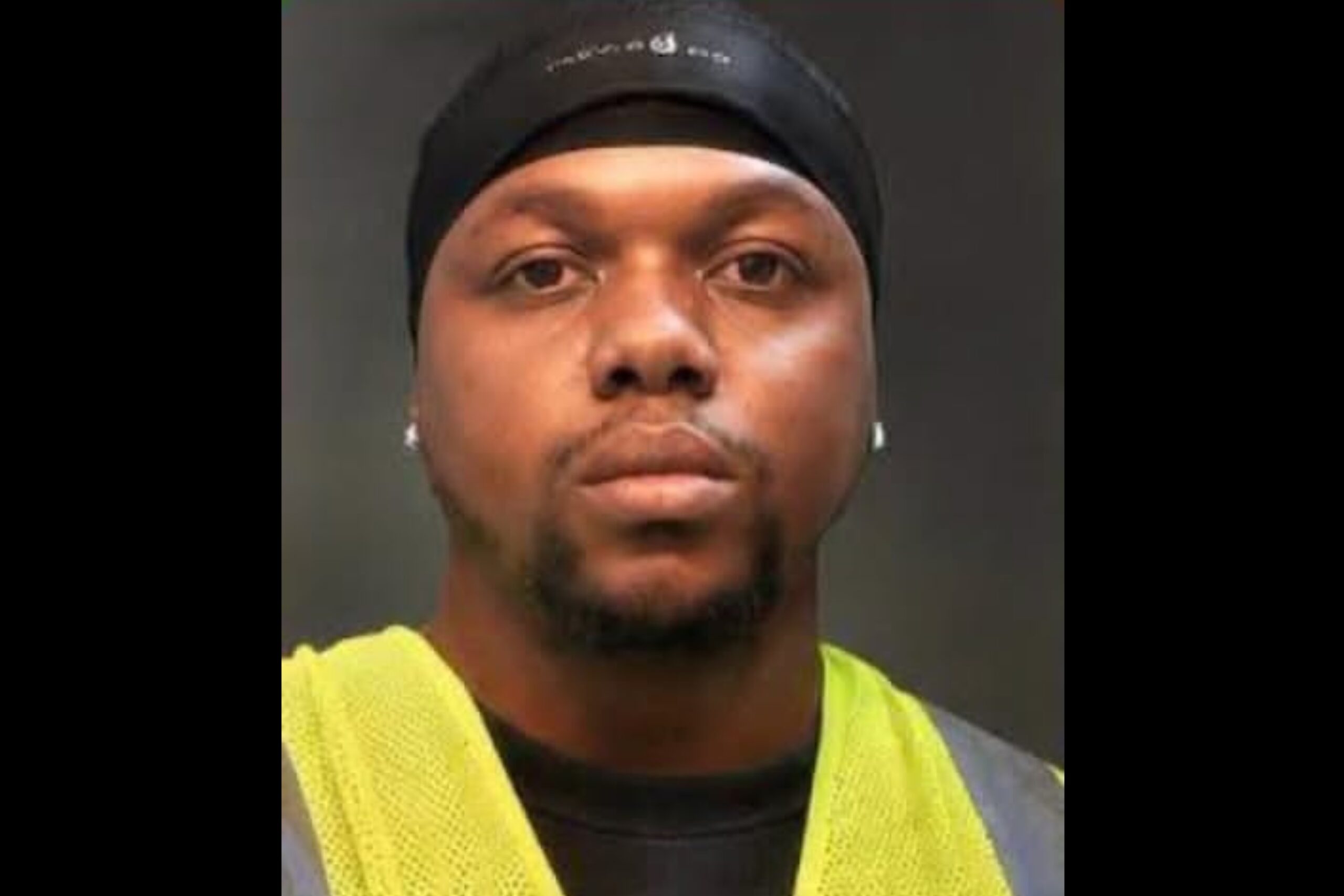
Davis, a former gang leader, was arrested in 2023 and charged with orchestrating the drive-by shooting that killed Tupac in Las Vegas. Prosecutors allege he played a central role in the attack, though he has pleaded not guilty and is awaiting trial.
The lawsuit expands beyond Davis, claiming others may have participated in or facilitated the crime. Family members believe some individuals involved have died over the years, while others have remained unidentified or evaded justice.
New Evidence and Renewed Hope
The filing reportedly references new developments, including grand jury testimony and recent media investigations, which the family says point to a more complex plot behind the rapper’s death.
The civil case is separate from the ongoing criminal proceedings against Davis, whose trial is expected to begin later this year.
A Long Road to Justice
Tupac Shakur was shot in a drive-by attack in Las Vegas on September 7, 1996, after attending a boxing match. He died six days later at age 25, and his murder remained unsolved for decades, fueling widespread speculation and conspiracy theories.
Now, nearly 30 years later, his family hopes this lawsuit will finally bring clarity—and accountability—to one of hip-hop’s most infamous and enduring mysteries.