
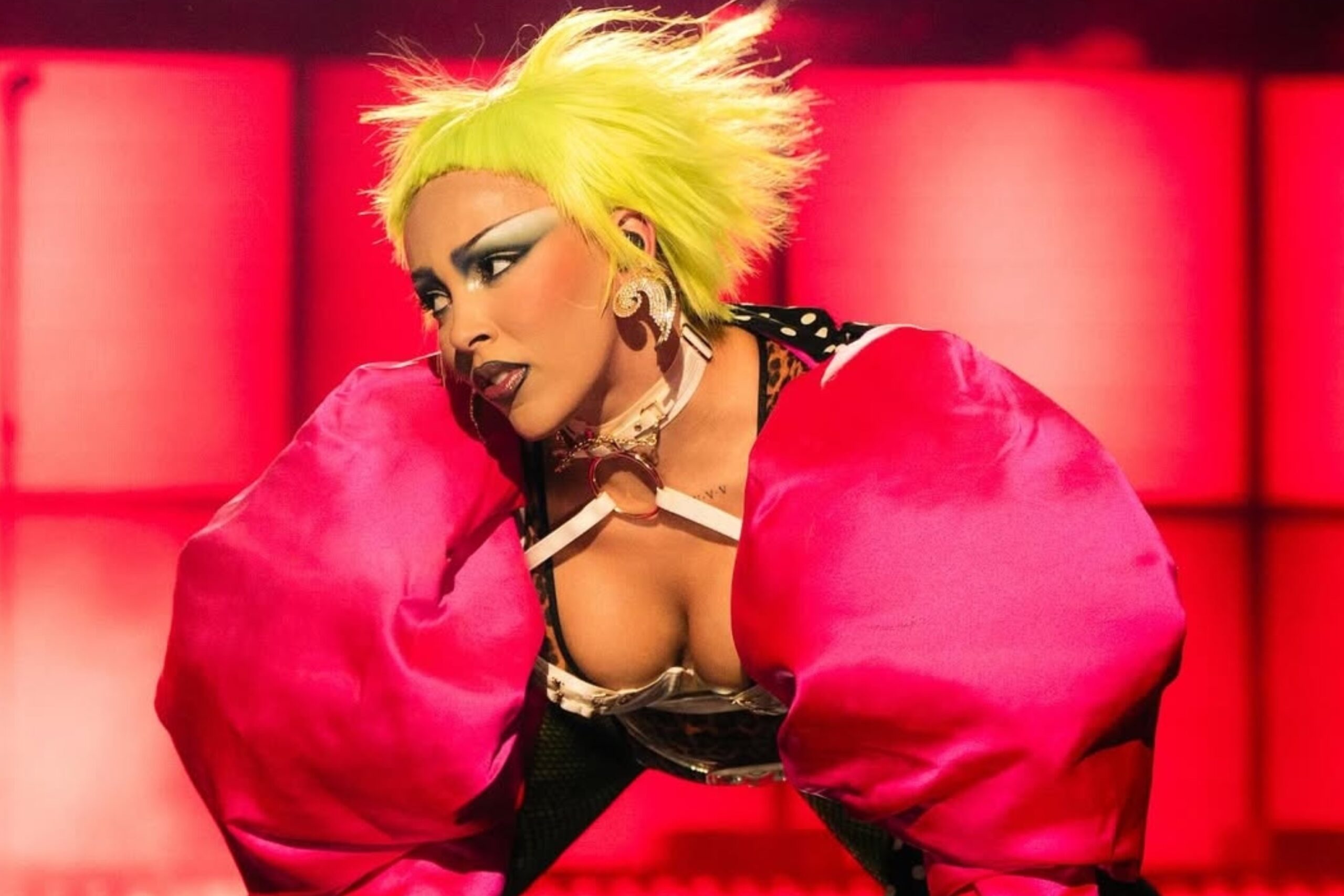
Grammy-winning rapper and singer Doja Cat is opening up about her mental health, revealing that she has been diagnosed with borderline personality disorder (BPD) and is actively working through the challenges that come with the condition.
The 30-year-old artist shared the deeply personal revelation in a candid TikTok video posted on March 13, explaining that the disorder has likely affected her for much of her life. She described BPD as an “agonizing condition” and admitted that suppressing her emotions for years eventually took a toll on her mental well-being.
“I’ve learned from a very young age to pretend that I’m happy,” she explained in the video, adding that constantly masking her true feelings eventually “caught up” with her.
Borderline personality disorder is a mental health condition that can involve intense mood swings, impulsive behavior, unstable relationships, and a distorted sense of self. The disorder can make everyday life difficult for those affected, often requiring therapy and long-term treatment.
Despite the challenges, Doja Cat emphasized that she is committed to healing. The artist revealed that she has been in therapy for years and is currently navigating what she described as an ongoing, multi-year journey toward recovery and self-understanding. She said she is “proud” of the progress she has made while acknowledging that the work continues.
During the same video, Doja Cat also expressed support for fellow pop artist Chappell Roan, praising her authenticity and ability to set boundaries with the public and paparazzi. The moment sparked wider conversations about mental health, public pressure, and the expectations placed on artists in the spotlight.
By sharing her experience, Doja Cat joins a growing list of celebrities speaking openly about mental health struggles, helping to reduce stigma and encourage others to seek help and speak honestly about their own challenges.
Mental health advocates say public figures sharing their journeys can play an important role in raising awareness and reminding fans that healing is possible—even when the path is difficult.