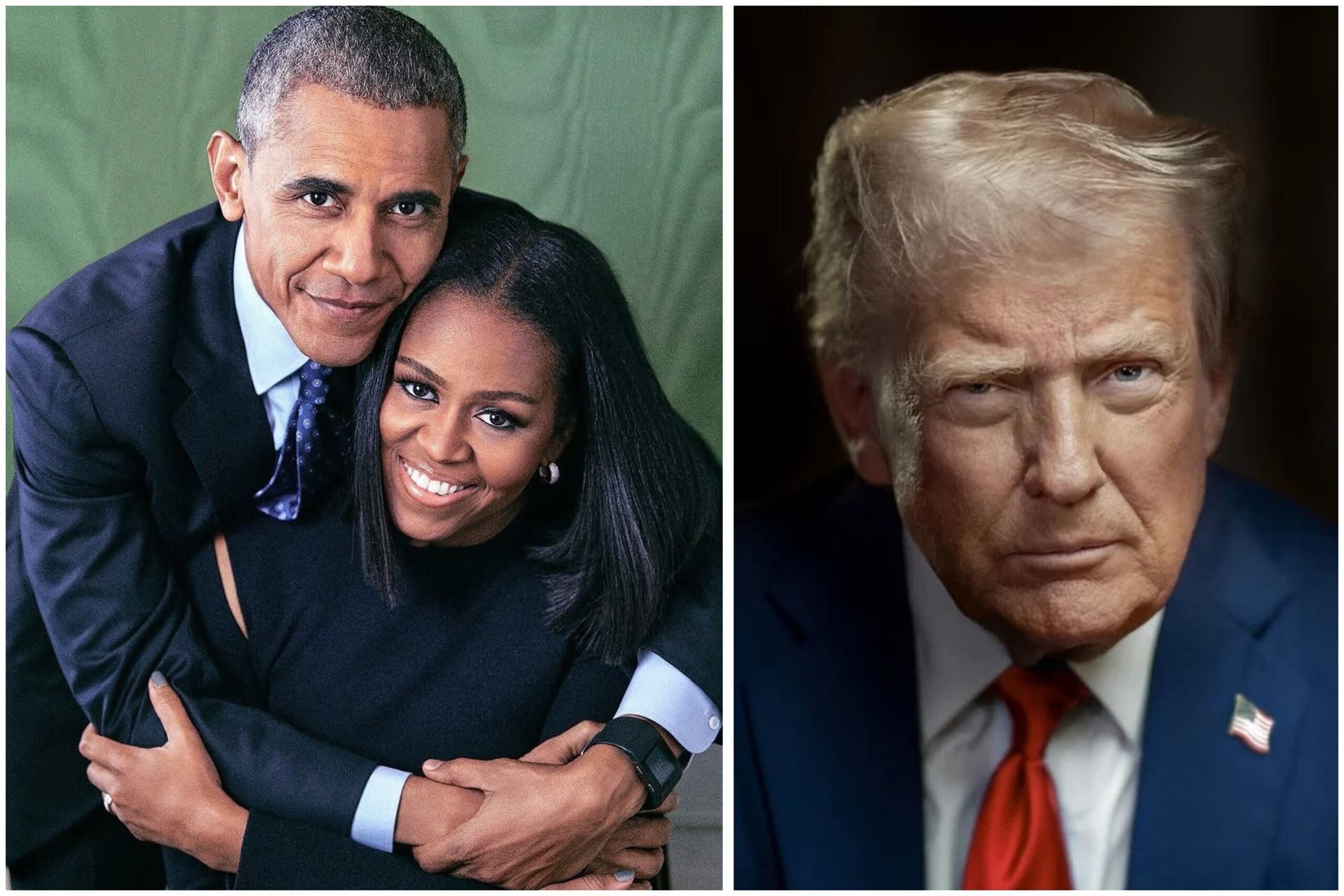
President Donald Trump faced intense backlash Friday after a video shared on his Truth Social account included a brief, racist depiction of former President Barack Obama and former First Lady Michelle Obama superimposed on the bodies of primates.
The roughly one-minute video, initially posted late Thursday night, largely focused on false claims about the 2020 election. But at the end of the clip, the smiling faces of the Obamas appeared for a few seconds against a jungle backdrop, a moment accompanied by the song “The Lion Sleeps Tonight.” Many critics said the imagery invoked century-old racist tropes dehumanizing Black Americans.
Within hours, lawmakers from both parties condemned the post as unacceptable. Republican Sen. Tim Scott of South Carolina, the Senate’s lone Black Republican, called it “the most racist thing I’ve seen out of this White House” and urged its removal. Other Republicans, including Senators Roger Wicker and Mike Lawler, also called for the post to be deleted and for an apology. Democrats, civil rights leaders and faith figures denounced the imagery as deeply offensive.
White House press secretary Karoline Leavitt initially defended the post, saying it was “from an internet meme video” meant to depict Trump as “King of the Jungle” alongside depictions of other Democratic figures. She urged critics to “stop the fake outrage” and focus on issues that matter.
By midday Friday, the post had been removed from Trump’s account. A White House official said it was posted in error by a staffer. Trump, speaking to reporters aboard Air Force One, disputed that it was a mistake and refused to apologize, saying he had only watched the beginning of the clip and did not see the offensive segment.
The controversy erupted during the first week of Black History Month, heightening sensitivities around racial representation. Critics noted the historical weight of comparing Black public figures to animals — a practice rooted in racist ideology. Bernice King, daughter of civil rights leader Martin Luther King Jr., highlighted the harm of such imagery while affirming the dignity of Black Americans.
The episode adds to longstanding disputes over Trump’s approach to race and public communication. Trump’s history includes promoting unfounded conspiracy theories about Obama’s birthplace and past contentious remarks about majority-Black nations.
As debate continues, lawmakers and commentators on both sides of the aisle are weighing in on presidential conduct and the broader implications of political messaging in the digital age.