A moment intended to celebrate cinema’s biggest night turned controversial at the 2026 British Academy Film Awards when a racial slur was heard live during the ceremony. What followed was a cascade of apologies, debates about disability awareness, and editorial decisions by broadcasters.
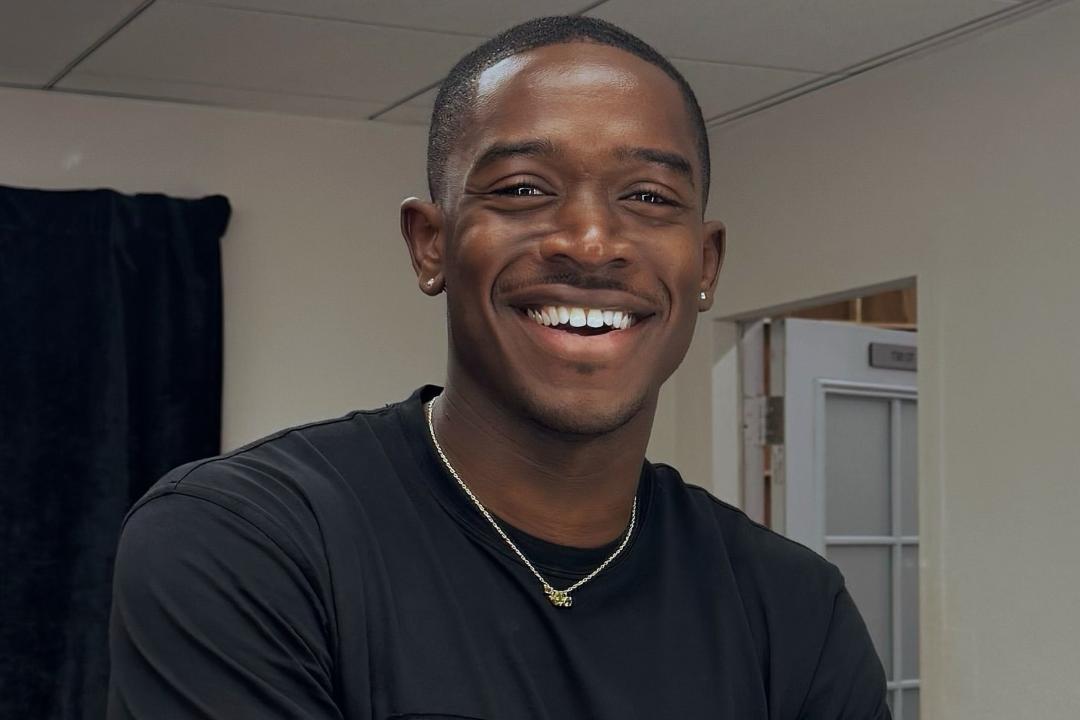
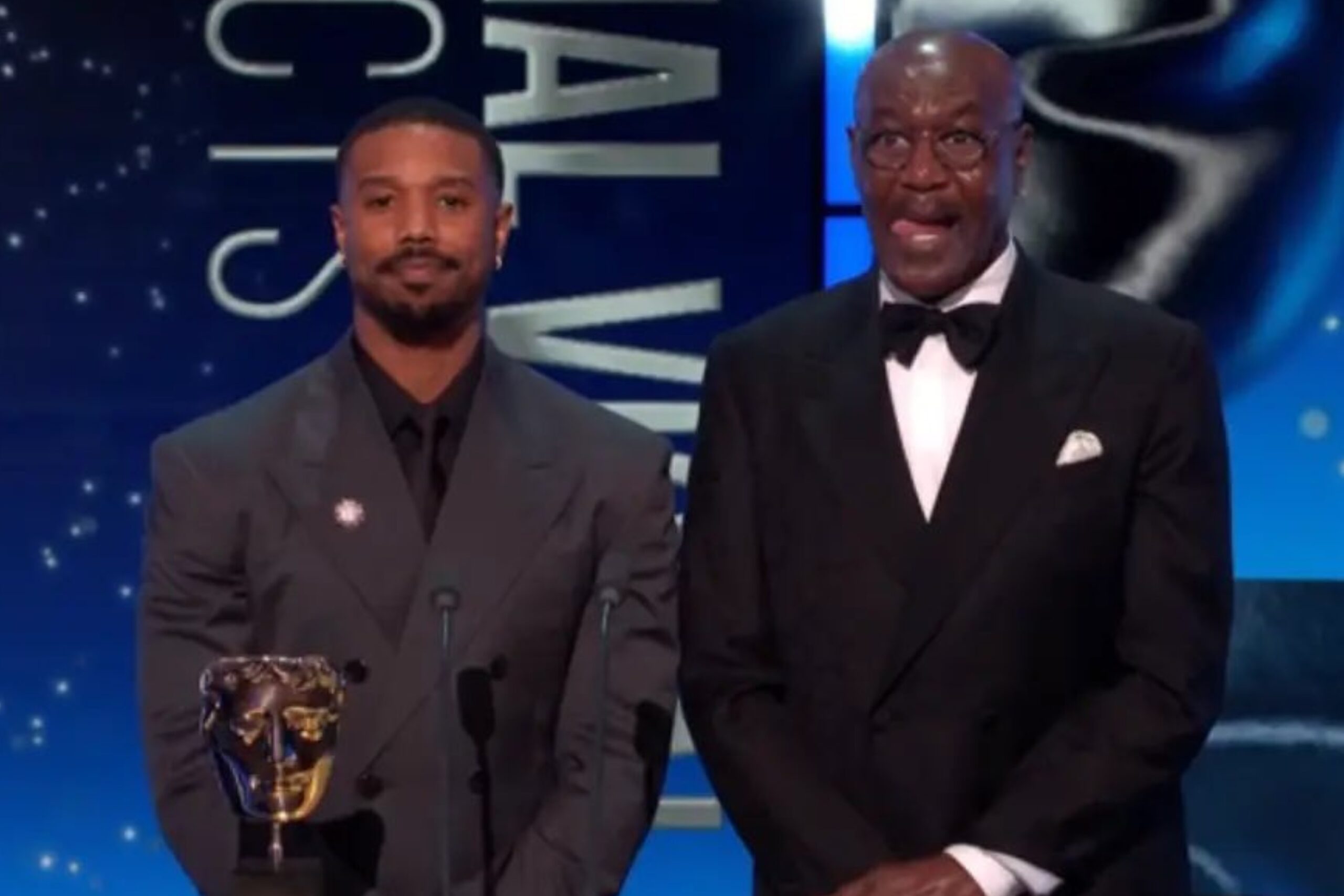
The disruption occurred on Sunday night at the Royal Festival Hall as actors Michael B. Jordan and Delroy Lindo stood on stage presenting the award for Best Visual Effects. In the audience, Tourette’s syndrome campaigner John Davidson, whose life inspired the BAFTA-nominated film I Swear, involuntarily shouted a racial epithet that was picked up by the ceremony’s microphones and broadcast.
Immediate Response from Host and Academy
Host Alan Cumming addressed the audience directly after the outburst, emphasizing that the language stemmed from involuntary vocal tics associated with Tourette’s syndrome — a neurological condition that can cause sudden movements or sounds. Cumming offered an on-air apology and appealed for understanding, saying that the tics were not intentional and expressing regret for any offense caused.
The British Academy of Film and Television Arts (BAFTA) echoed this stance, referring to Cumming’s explanation and expressing support for those affected by any distress the incident caused.
Broadcaster Issues Apology and Revises Broadcast
The BBC, which aired the awards ceremony on a tape delay, also issued multiple apologies after viewers heard the offensive language on television and its streaming service BBC iPlayer. The network acknowledged its failure to remove the slur in advance of the broadcast and took the unusual step of removing the entire ceremony from iPlayer to re-edit and re-upload a version without the offensive outburst.
BBC producers later stated they had not heard the slur while working in a remote control booth and expressed regret that the term remained in the televised version, especially given that other sensitive content — such as political commentary — had been edited out.
Reactions from Stars and Public Figures
The moment sparked a strong response from industry figures and the public alike. Actor Jamie Foxx condemned the incident on social media, questioning whether it was unintentional, while others such as Wendell Pierce criticized the perceived lack of immediate personal apologies to Jordan and Lindo. Some attendees also reported hearing similar outbursts earlier in the evening.
Meanwhile, supporters of Tourette’s awareness organizations stressed the involuntary nature of many tics — including coprolalia, the rare symptom that can cause complex vocal outbursts — and cautioned against attributing personal intent or belief to individuals experiencing them.
Broader Context and Ongoing Conversation
The incident has reignited conversations about how live and delayed broadcasts handle sensitive content, the responsibilities of awards shows and broadcasters, and public understanding of neurological conditions. I Swear, the film inspired by Davidson’s life with Tourette’s, won two BAFTA awards, including Best Actor for Robert Aramayo, who took the stage to advocate for greater understanding of the condition.
As coverage continues, the BAFTAs and the BBC have pledged to refine their editorial approach, and advocacy groups have reiterated calls for increased awareness of Tourette’s syndrome and its manifestations in public settings.