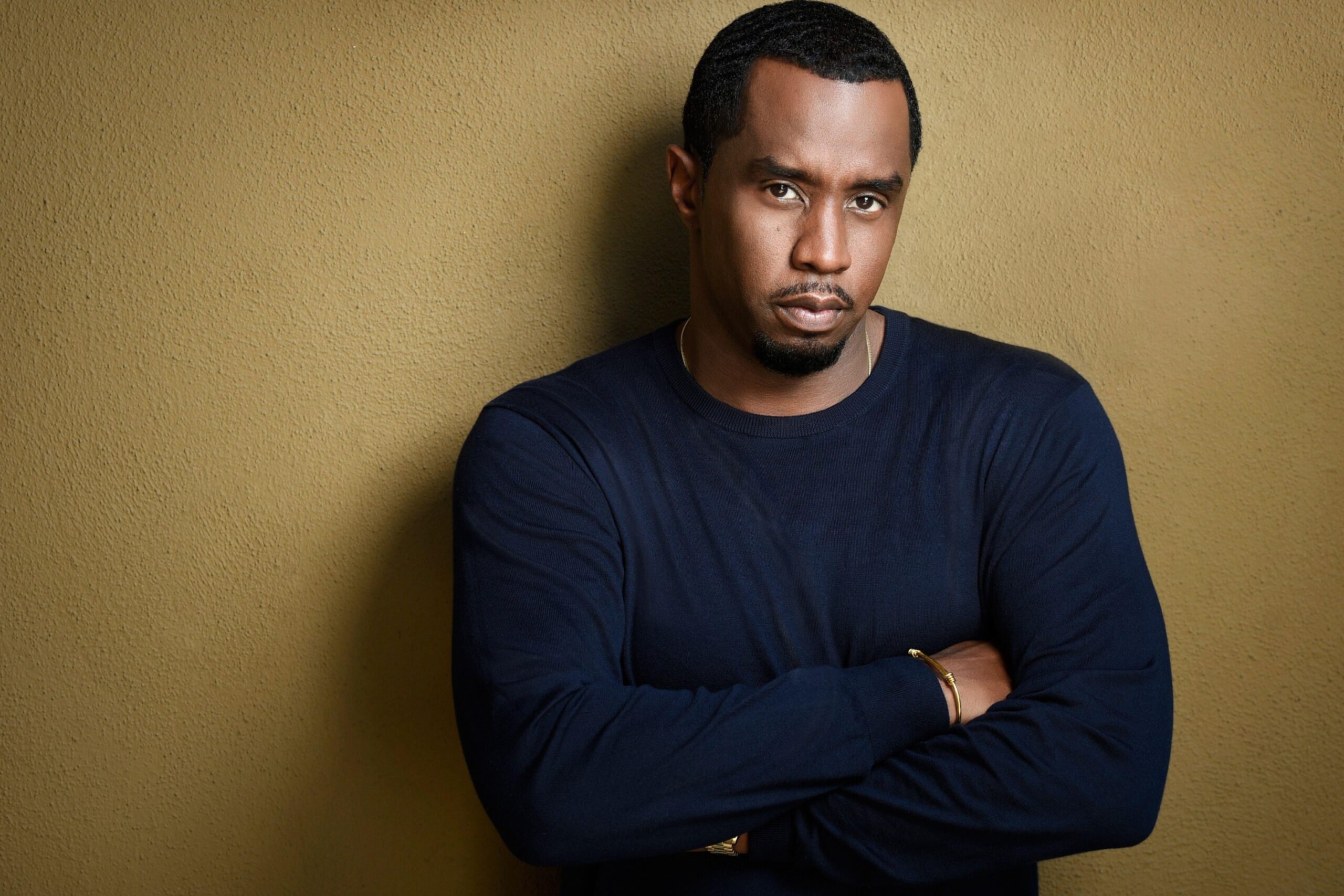
Music mogul Sean ‘Diddy’ Combs is pushing to overturn his federal conviction, with his legal team making a controversial argument that the case against him may violate the First Amendment.
During an April 9 appeal hearing in New York, Combs’ attorneys argued that videos central to his conviction—described in court as “freak-off” recordings—should be considered protected “amateur pornography,” rather than criminal evidence tied to prostitution charges.
The Bad Boy Records founder is currently serving a 50-month prison sentence after being convicted in 2025 on two counts of transporting individuals across state lines for prostitution, in violation of the federal Mann Act. He was acquitted of more serious charges, including sex trafficking and racketeering.
First Amendment at the Center of Appeal
Combs’ legal team argues that the recorded encounters were consensual and creatively staged, making them a form of expression protected under the First Amendment. According to court arguments, the videos involved “choreographed sexual performances” intended for private viewing, not criminal activity.
His attorneys further contend that prosecutors improperly framed these recordings as evidence of prostitution, effectively criminalizing expressive conduct. They are asking the court to either overturn the conviction entirely or significantly reduce his sentence.
Prosecutors Push Back
Federal prosecutors strongly rejected the defense’s constitutional argument, warning that accepting it could set a dangerous precedent. They argue that labeling such conduct as protected speech could allow illegal commercial sex operations to avoid prosecution simply by presenting activities as “staged” or “creative.”
Prosecutors maintain that Combs’ actions—specifically transporting individuals for paid sexual encounters—fall squarely outside First Amendment protections and constitute criminal behavior under federal law.
Judges Weigh Complex Legal Questions
A three-judge panel from the U.S. Court of Appeals for the Second Circuit heard arguments but did not issue an immediate ruling. The case is being described as complex and potentially precedent-setting, particularly regarding how courts distinguish between protected expression and criminal conduct.
In addition to the First Amendment claim, Combs’ appeal also challenges the length of his sentence. His legal team argues the judge improperly considered allegations tied to charges the jury rejected, potentially inflating his prison term.
What Happens Next
Arguments in the appeal have concluded, and judges are now deliberating. A decision could determine whether Combs receives a new trial, a reduced sentence, or a full reversal of his conviction.
If the court finds that protected speech was improperly used against him, the ruling could have far-reaching implications—not just for Sean ‘Diddy’ Combs, but for how the legal system treats recorded content, artistic expression, and privacy in criminal cases.
For now, Combs remains incarcerated, with a projected release date in 2028 as the legal battle continues.