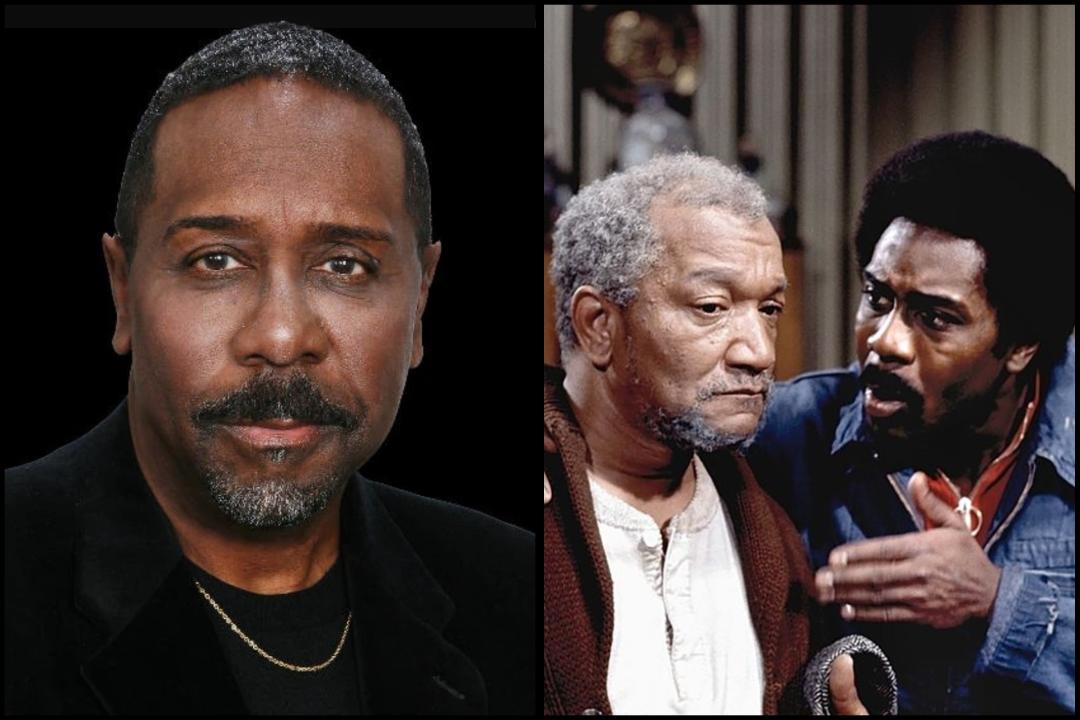
Grady Demond Wilson, the beloved American actor best known for his role as Lamont Sanford on the groundbreaking 1970s sitcom Sanford and Son, has died at age 79. He passed away on January 30, 2026, at his home in Palm Springs, California, due to complications from cancer, his son confirmed to media outlets.
Wilson — who professionally went by Demond Wilson — became a television icon for his portrayal of the earnest and often exasperated son opposite Redd Foxx’s Fred Sanford on Sanford and Son, one of NBC’s top-rated shows during its run from 1972 to 1977. The series is widely credited with helping expand African American representation on mainstream TV and remains culturally significant decades later.
Born Grady Demond Wilson on October 13, 1946, in Valdosta, Georgia, he grew up in New York City and began performing at a young age, dancing on Broadway and acting in local theater. After serving in the U.S. Army during the Vietnam War, he turned his focus fully to acting, eventually landing the role that would define his career.
After Sanford and Son, Wilson appeared in various television projects, including the sitcom Baby… I’m Back! and The New Odd Couple. In 1993 he starred in the film Me and the Kid, and later had a recurring role on the comedy-drama Girlfriends in the mid-2000s. In 2023, after a long hiatus from acting, he appeared in the drama Eleanor’s Bench.
Beyond acting, Wilson became an ordained minister in the 1980s and devoted much of his later life to pastoral work and writing. His spiritual path and literary contributions were seen by many as extensions of his deep commitment to community and faith.
Wilson is survived by his wife, Cicely Johnston, and their six children. Fans, colleagues, and cultural commentators have paid tribute to his talent and the enduring legacy of his work in television history.
His passing has drawn widespread mourning online, with many remembering him not only for his work on Sanford and Son but also for his influence on the portrayal of Black families and experiences in American entertainment.