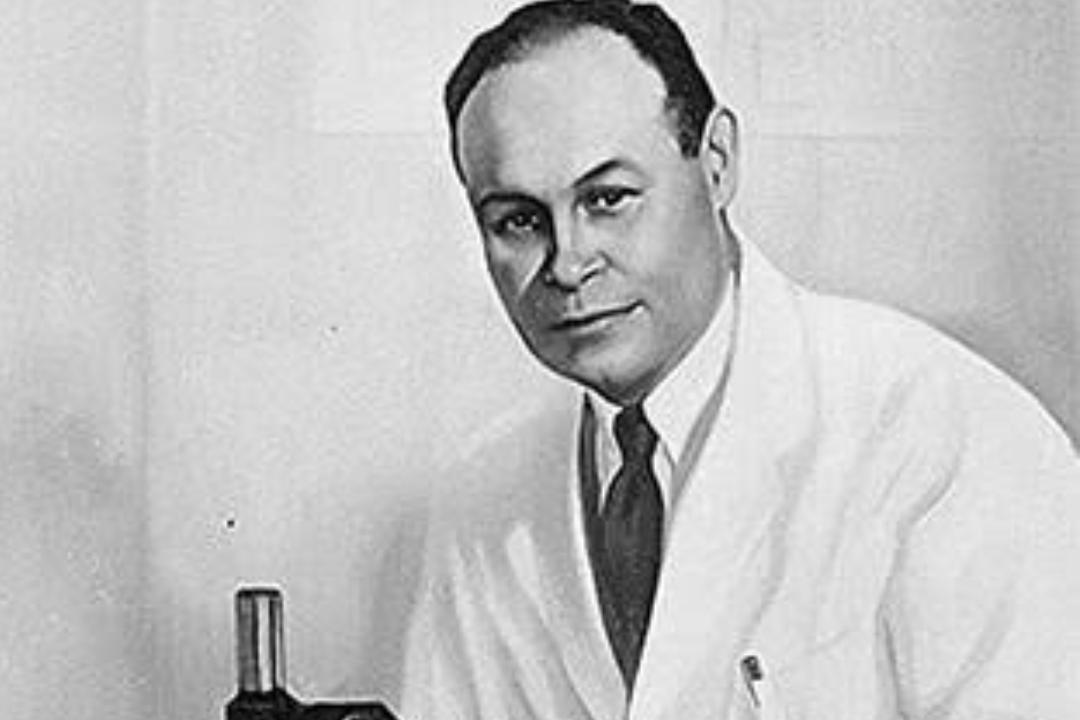
On this 19th day of Black History Month, we proudly celebrate Dr. Charles R. Drew — a pioneering surgeon, visionary medical researcher, and humanitarian whose work transformed modern medicine.
Dr. Drew revolutionized the way blood plasma is processed, preserved, and stored, making transfusions safer, more efficient, and widely accessible. His innovations laid the foundation for modern blood banks, earning him the title “Father of the Blood Bank.”
Key Contributions:
- Blood Plasma Pioneer: Discovered that plasma could be stored longer than whole blood and used universally, regardless of blood type.
- Bloodmobiles: Designed mobile blood collection units to efficiently gather, test, and transport plasma.
- “Blood for Britain” Campaign: Led the 1940–1941 effort that collected over 14,000 units of plasma for wounded soldiers.
- Red Cross Leadership & Advocacy: Became the first director of the American Red Cross blood bank in 1941 and resigned in 1942 to protest racially segregated blood policies, advocating for science over prejudice.
Remembering His Life:
Dr. Drew tragically died at age 45 on April 1, 1950, following a car accident near Burlington, North Carolina. Despite receiving immediate medical care, his injuries were too severe. Contrary to persistent myths, he was not denied treatment due to race; colleagues have confirmed the story of segregation in his death is false.
Legacy and Impact:
- Medical Innovations: Created the first major blood banks and developed bloodmobiles to improve donation collection.
- Protest Against Racism: Resigned from the Red Cross to oppose the military’s racially segregated blood policy, which he deemed medically invalid.
- Education & Mentorship: First Black student to earn a Doctor of Medical Science degree from Columbia University; later served as professor and chief surgeon at Howard University, mentoring future generations of Black physicians.
Dr. Charles R. Drew’s legacy lives on through every blood drive, every life saved, and every medical professional inspired by his courage and brilliance.
Today, we honor his genius, humanitarian spirit, and the lasting impact of his work on the world.