A federal judge has overturned the conviction of one of two men found guilty in the 2002 killing of hip-hop pioneer Jam Master Jay, marking a dramatic development in one of the most high-profile cold cases in music history.
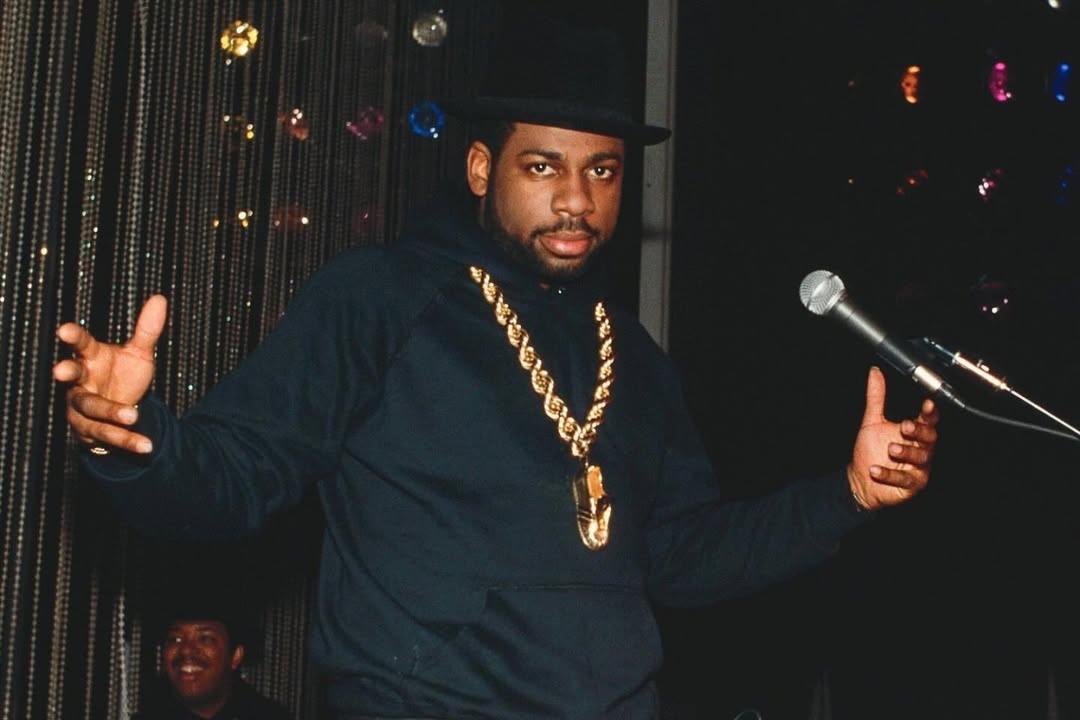
On Friday, U.S. District Judge LaShann DeArcy Hall in Brooklyn granted a rare judgment of acquittal for Karl Jordan Jr., vacating his February 2024 conviction on murder charges tied to narcotics trafficking and a firearm offense in the death of Jason Mizell — the DJ and co-founding member of the legendary rap group Run-D.M.C.
Judge Hall ruled that prosecutors failed to present sufficient evidence linking Jordan’s actions to a specific motive. In her 29-page opinion, she found that the government’s theory — that the killing stemmed from retaliation over a failed cocaine distribution scheme — was “impermissibly speculative” and not supported by the trial record. As a result, the judge concluded that no reasonable jury could have convicted Jordan based on the evidence presented.
Jordan, who is the godson of Mizell, had steadfastly maintained his innocence. Although a witness at the 2024 trial testified that he saw Jordan shoot Mizell inside the Queens recording studio where the DJ was killed on Oct. 30, 2002, the judge said the prosecution did not establish that Jordan had the requisite motive tied to the alleged drug conspiracy.
The ruling does not affect the conviction of Ronald Washington, the other man found guilty alongside Jordan in 2024. Judge Hall denied Washington’s motion for acquittal, finding that evidence against him was stronger and that the jury could reasonably infer a retaliatory motive in his case.
The decision to overturn Jordan’s conviction comes nearly three decades after Mizell’s death and nearly two years after the 2024 verdict was widely hailed at the time as a breakthrough in the long-cold investigation. The U.S. Attorney’s Office for the Eastern District of New York said it is reviewing the judge’s ruling and has not yet decided whether to appeal.
A third defendant in the case, Jay Bryant, was charged in 2023 and is scheduled to stand trial on separate charges in early 2026. Bryant has pleaded not guilty and maintains his innocence.
The murder of Jam Master Jay, whose work helped bring hip-hop into mainstream music in the 1980s, has remained a defining moment in rap history. Despite the long wait for legal resolution, Friday’s court action underscores the challenges prosecutors face in proving complex motive theories in cases that span decades.