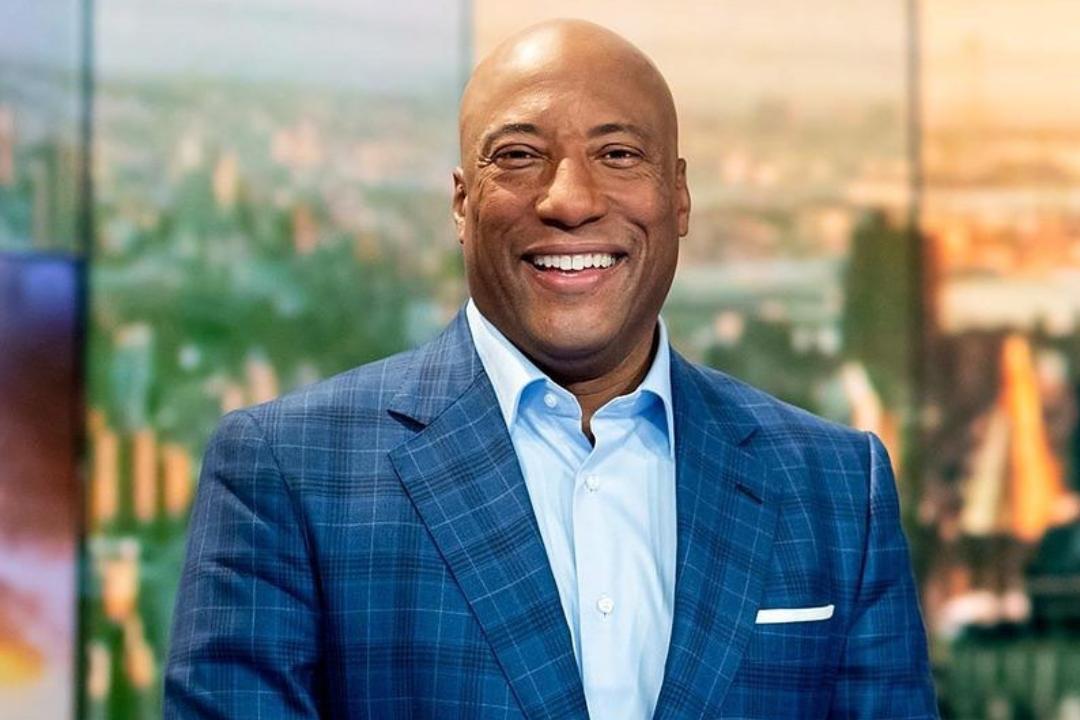
In a major shakeup for network television, CBS has reached a new agreement with media mogul Byron Allen to lease its entire late-night programming block, effectively stepping away from producing its own late-night shows for the 2026–2027 season.
The deal comes as CBS prepares to end The Late Show with Stephen Colbert in May, closing the curtain on a franchise that has defined the network’s late-night identity for more than three decades. The decision to cancel the show was previously described by CBS as a financial move amid declining profitability in the late-night format.
A Full Late-Night Takeover
Under the new agreement, Allen’s comedy panel series Comics Unleashed will move into the coveted 11:35 p.m. time slot—traditionally occupied by CBS’s flagship late-night programs—while his game show Funny You Should Ask is expected to follow in the later hour.
The arrangement expands an existing partnership between CBS and Allen, who had already been leasing the 12:37 a.m. slot through a “time-buy” model—where his company pays the network for airtime and sells its own advertising.
With the new deal, Allen will now control CBS’s entire late-night lineup for the upcoming season.
Financial Pressures Behind the Shift
CBS executives have pointed to mounting financial challenges in late-night television as the driving force behind the move. Producing traditional talk shows has become increasingly expensive, while advertising revenue and viewership have declined in the streaming era.
By leasing out the time slots instead, CBS is expected to turn a profit rather than absorb the significant losses associated with producing original late-night programming.
A Temporary Strategy?
The agreement is currently structured as a one-year deal, leaving the door open for CBS to potentially re-enter the late-night space with a new format in the future if a more sustainable business model emerges.
For now, however, the network’s decision signals a dramatic shift in late-night television—one that replaces in-house productions with outsourced, advertiser-driven programming.
End of an Era
The transition also marks the end of CBS’s long-running dominance in late-night, a legacy that began when David Letterman joined the network in 1993 and continued through Stephen Colbert’s tenure.
As the television landscape evolves, CBS’s deal with Byron Allen may serve as a test case for how major networks adapt to changing viewer habits—and whether traditional late-night shows can survive in their current form.