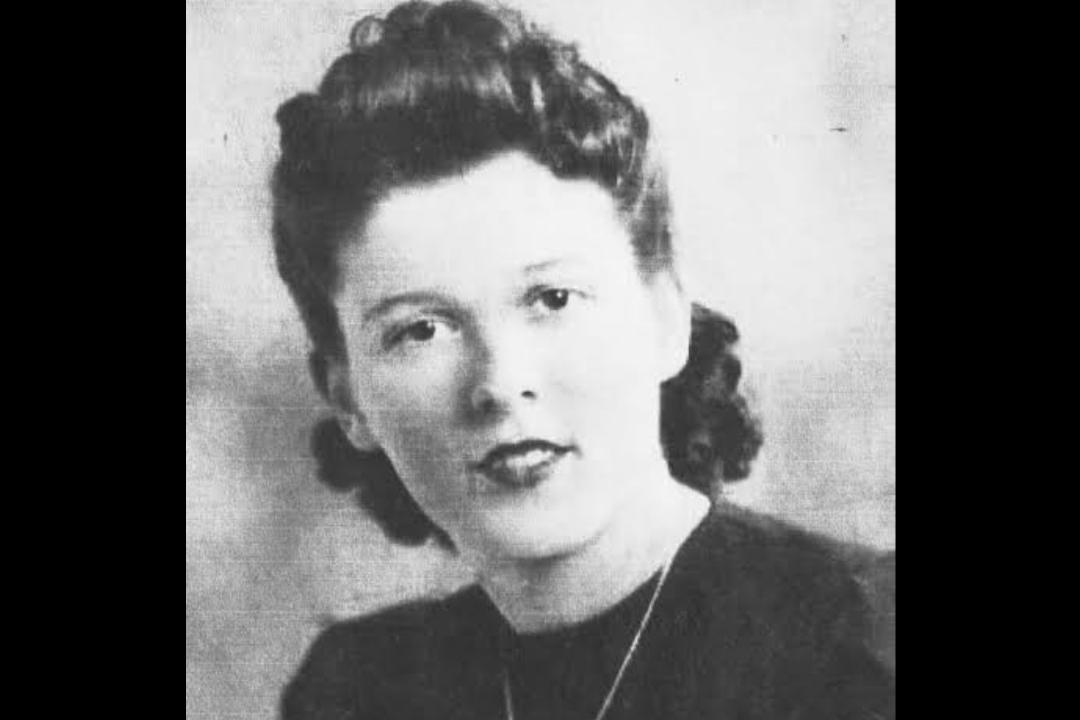
This Black History Month, we spotlight Alice H. Parker, an African American inventor from New Jersey whose groundbreaking 1919 patent helped reshape the future of indoor heating.
While hers was not the first furnace ever created, Parker’s invention marked one of the earliest gas-powered central heating systems — a bold step away from inefficient fireplaces and wood stoves that struggled to keep entire homes warm.
A Vision Beyond the Fireplace
In the early 20th century, heating a home meant relying on fireplaces or coal and wood stoves. These methods were labor-intensive, inconsistent, and limited in their ability to distribute heat evenly.
Determined to create a better solution, Parker designed an indoor heating system powered by natural gas that she called a “heating furnace.” She applied for her patent in July 1918, at a time when women — especially Black women — faced severe barriers in education, business, and innovation. Women did not yet have the right to vote.
After more than a year of review, her patent was officially granted in December 1919.
Creating a New Comfort Zone
Parker’s time, thousands of heating-related patents had already been issued. However, her design may have been the first to incorporate a zone-control approach, allowing different areas of a building to be heated independently — a concept still used in modern HVAC systems.
Her furnace included several innovative features:
- Cool air drawn into the furnace and passed through a heat exchanger
- Warm air distributed throughout the home via air ducts
- A multiple, individually controlled natural gas burner system
- Adjustable temperature settings in different areas of the building
- Gas burners connected to a manifold with regulating valves
- Pull chains to operate valves remotely
- A pilot burner to ignite the main burner
- Alternating baffle plates for more efficient heat circulation
These elements laid the groundwork for today’s forced-air central heating systems.
A Little-Known Pioneer
Not much is known about Parker’s personal life. At the time of her patent, she lived in Morristown, New Jersey. She is believed to have attended the Howard University Academy in Washington, D.C., where she reportedly earned a certificate with honors — an impressive achievement for an African American woman during that era.
Her patent was even noted in a March 1920 issue of Cayton’s Weekly, a Seattle-based newspaper.
Though her name faded from public recognition for decades, her impact did not. In 2014, the New Jersey State Chamber of Commerce named Parker one of the state’s 25 greatest innovators — nearly a century after her invention.
Honoring Innovation That Still Warms Our Homes
Alice H. Parker’s ingenuity modernized climate control and helped move the world toward safer, more efficient heating systems. Her work continues to influence how homes and buildings are designed today.
This Black History Month, we honor her extraordinary achievement — and the innovators whose brilliance continues to shape our everyday lives.