The media world is still buzzing about the wildly divergent audiences for the two halftime performances that aired during Super Bowl LX on Sunday, and the numbers paint a stark picture of cultural and media influence in today’s polarized landscape.
Record-Setting Reach for Bad Bunny
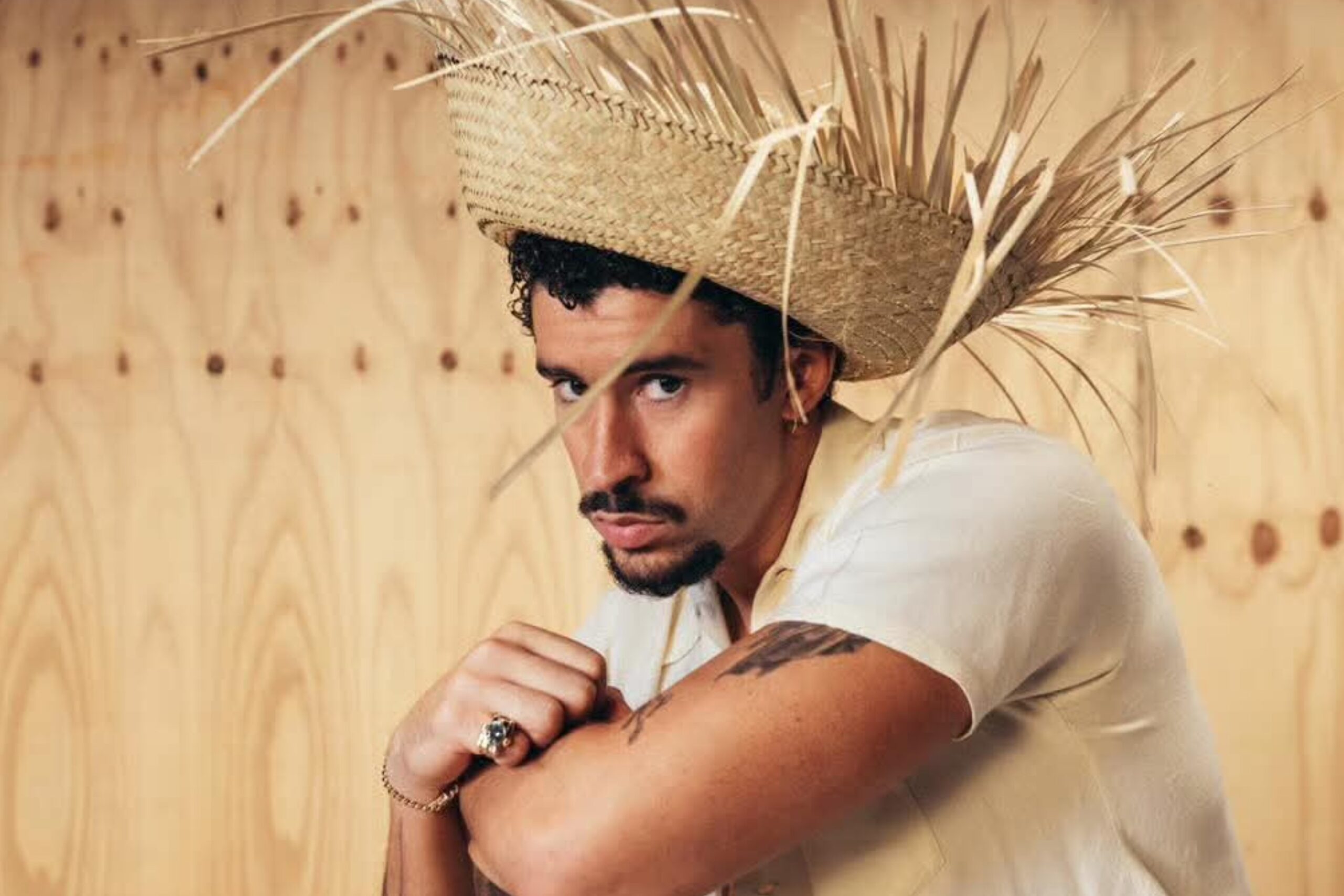
Puerto Rican superstar Bad Bunny delivered the headline performance for the Apple Music Super Bowl LX Halftime Show, and early reports suggest his set drew well over 130 million viewers across traditional broadcast and streaming platforms — one of the largest halftime audiences in the event’s storied history. That figure dwarfs most previous shows and is on track to surpass last year’s record.
The performance — entirely in Spanish and featuring vibrant cultural elements, surprise appearances, and a message of unity — didn’t just resonate with football fans. It also generated significant online engagement. The official Halftime Show upload on YouTube has already surpassed 20 million views, and related press events reportedly drew tens of millions more. According to Apple, Bad Bunny’s streaming numbers on Apple Music spiked seven-fold after his appearance.
Alternative Halftime Show Falls Far Short
In stark contrast, Turning Point USA’s “All-American Halftime Show” — a counterprogramming event streamed mainly on YouTube and other social platforms — drew a fraction of that audience. While it attracted attention within its niche, livestream data puts its peak concurrent viewership in the 5 million to 6.1 million range, with total accumulated views on the platforms rising into the high teens of millions post-event.
Hosted by country-rock artist Kid Rock and featuring performers like Brantley Gilbert, Lee Brice, and Gabby Barrett, Turning Point’s halftime show was framed by conservative commentators as an “American” alternative. But its reach amounted to roughly 4 % of the Bad Bunny audience — highlighting both the Super Bowl’s broad cultural pull and the limits of niche counterprogramming.
What the Numbers Suggest
Experts say the disparity underscores more than just musical tastes: it reflects how mainstream sports events like the Super Bowl remain cultural touchstones that command massive, diverse audiences. Even in a fragmented media ecosystem with countless streaming options, the halftime show — especially one featuring an artist with global popularity — retains its power to draw a truly national and international audience.
Meanwhile, niche broadcasts with specific ideological aims may generate buzz within certain circles, but their reach remains modest compared with major broadcast media events.
As final Nielsen and network numbers continue to roll in this week, analysts expect confirming data to further solidify Bad Bunny’s show as one of the year’s most-watched cultural moments, reinforcing the Super Bowl’s status not just as a sporting spectacle but as a centerpiece of American pop culture.