
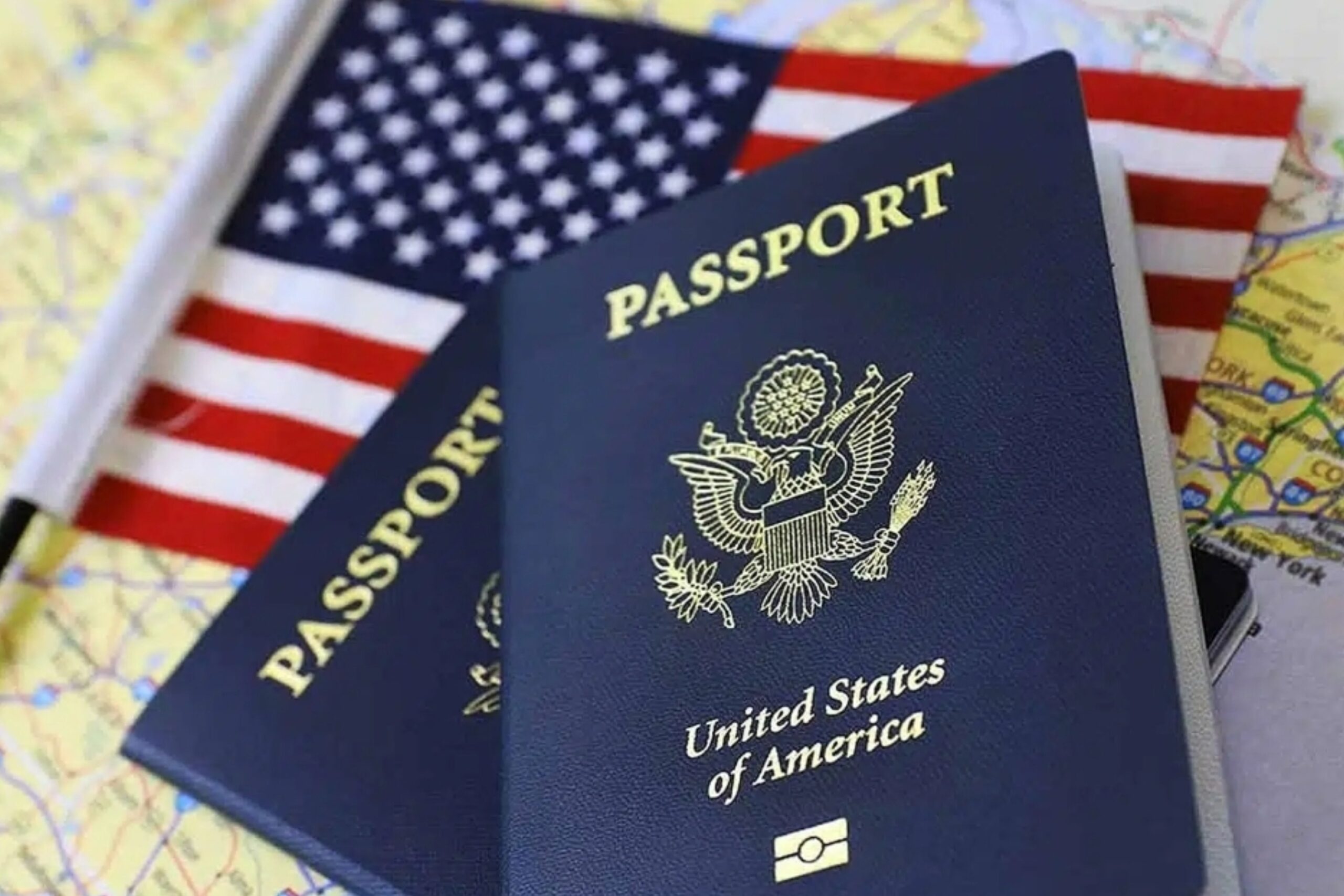
The U.S. government is preparing to dramatically increase enforcement of a decades-old law that allows for the revocation of passports for parents with substantial unpaid child support, according to multiple federal officials and news reports.
Under current law, the U.S. State Department may deny or revoke a passport for an individual certified by the Department of Health and Human Services (HHS) as owing more than $2,500 in past-due child support. But until now, that power has mostly been used only when a person applied for a new passport or requested consular services.
New Enforcement Strategy
Officials told The Associated Press that under the planned policy rollout, the State Department will begin proactively revoking existing passports by using arrears data shared by HHS — instead of waiting for passport holders to seek services.
The first phase of the initiative will focus on those with child support arrears of more than $100,000, a group federal officials estimate includes fewer than 500 people. Those targeted could avoid immediate revocation if they agree to a payment plan with HHS after receiving notification of the pending action.
Officials also hinted that the threshold could later be lowered, expanding the number of affected passport holders potentially into the thousands.
Law and Policy Context
The authority for these revocations stems from the Personal Responsibility and Work Opportunity Reconciliation Act of 1996, which also established the Passport Denial Program. Under that statute, individuals owing significant child support can be denied or stripped of passports until they resolve their debts. Previous enforcement typically occurred only at the time of passport renewal.
Supporters of the expanded enforcement argue it will help compel payment of longstanding child support obligations. The Office of Child Support Enforcement has previously reported that the passport program has brought in hundreds of millions in overdue payments since its inception.
Reactions and Concerns
Critics of the expanded enforcement warn that revoking passports could harm the economic situation of struggling parents, particularly those with lower incomes who may travel internationally for work or to support their families. Some legal experts also caution that using travel restrictions as leverage on complex family law matters could have unintended consequences.
State Department officials have stated that the goal of the policy shift is to ensure parents “fulfill their legal and ethical duties to their children” and that individuals can preserve or restore passport privileges by engaging with payment options offered through HHS.
What Comes Next
At this stage, the policy change has not been formally published in the Federal Register, and no official timeline has been set for implementation. Once an official rule proposal is released, it could be subject to public comment before taking effect.