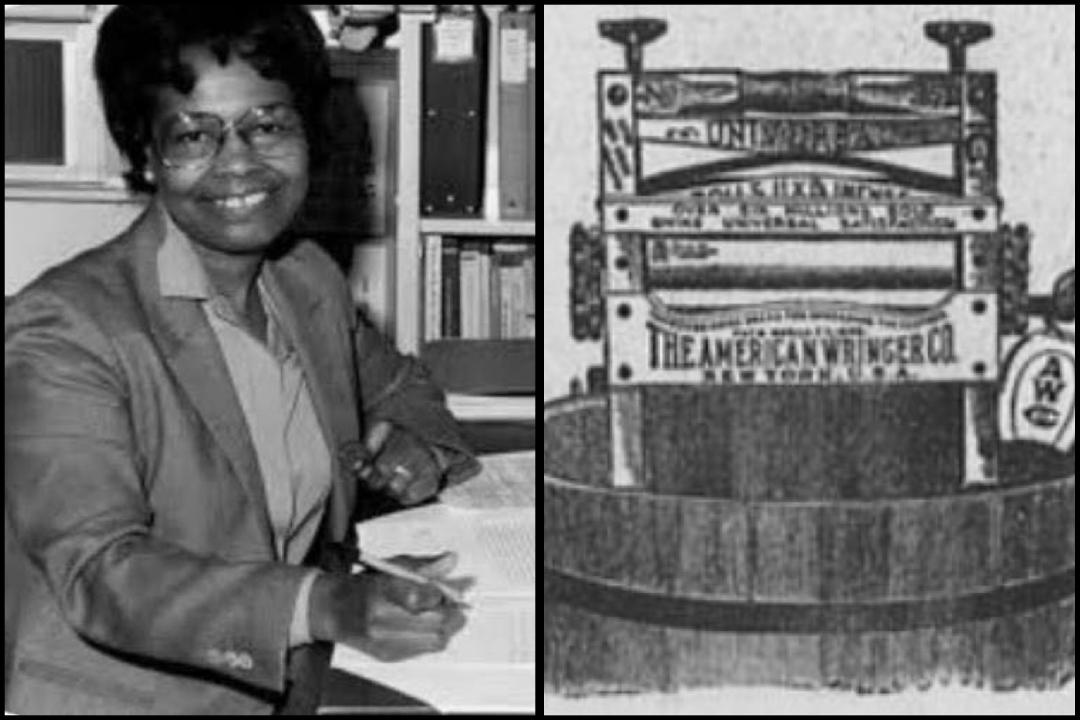
In 1888, Ellen Eglin invented an early mechanical clothes wringer, a device designed to remove excess water from freshly washed clothing.
Her invention featured two wooden rollers attached to a hand crank. After clothes were washed and rinsed, they were fed through the rollers, which squeezed out the water—dramatically reducing drying time and physical strain.
As a housekeeper, Eglin understood firsthand the exhausting labor of handwashing clothes. Determined to make the process more efficient, she created a practical solution that would ease the workload for countless women. Her design became a key precursor to modern washing machine technology and is still reflected today in mop bucket wringers and mechanical laundry systems.
💔 Racism and the $18 Sale
Despite the brilliance of her invention, Eglin faced the harsh reality of racial discrimination in the 19th century. She feared that white customers would refuse to buy a product created by a Black woman—a common barrier for inventors of color during that era.
As a result, she sold the rights to her invention to a white businessman for only $18. The buyer later patented the device and profited significantly, while Eglin received neither recognition nor financial reward for her groundbreaking contribution.
✨ Her Lasting Legacy
Though little is documented about her life, Ellen Eglin’s impact is undeniable. She transformed one of the most labor-intensive household chores and helped lay the foundation for modern laundry technology.
Her story reminds us:
🖤 Innovation has always lived in our communities.
🤎 Black women have always shaped American industry.
❤️ Recognition may be delayed—but legacy lasts forever.
Ellen Eglin’s invention truly changed laundry forever.