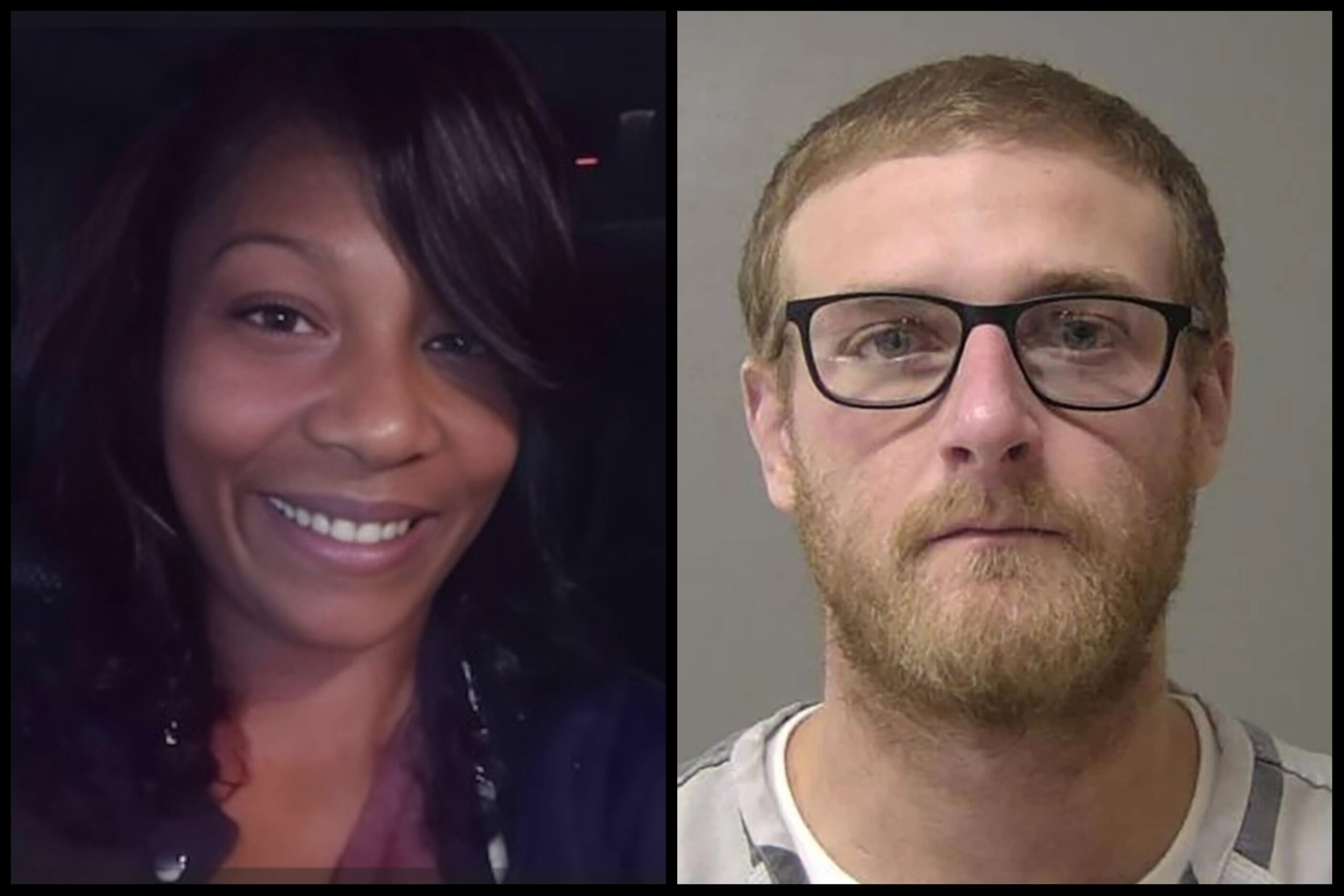
A former Sangamon County sheriff’s deputy was sentenced Thursday to 20 years in prison—the maximum permitted under state law—for the fatal shooting of Sonya Massey, a Black woman who called 911 for help from her own home nearly a year and a half ago.
Thirty-one-year-old Sean Grayson, who was convicted in October 2025 of second-degree murder in the July 6, 2024, killing, has been in custody since his arrest. The sentence represents a rare case in which a law enforcement officer has faced significant prison time for a deadly use of force during a 911 response.
During Thursday’s hearing, Grayson apologized to Massey’s family, saying he wished he could “bring Sonya back.” He acknowledged making “a lot of mistakes that night” and described his actions as “terrible decisions,” though he maintained that his fear on the night of the shooting was genuine.
Tragic Call for Help Turned Fatal
Massey, 36, a single mother of two who struggled with mental health issues, had contacted emergency services fearing an intruder outside her Springfield home. Body-worn camera footage played at trial showed a tense, rapidly escalating encounter between Massey and Grayson after deputies entered her house. At one point, she held a pot of water she had just heated, then set it down. Moments later, Grayson drew his firearm and shot her in the face. Prosecutors countered that Massey presented no imminent threat when she was killed.
Grayson was originally charged with three counts of first-degree murder, which could have carried a life sentence, but a jury convicted him of the lesser offense of second-degree murder after determining he sincerely believed he was in danger, even if that fear was unreasonable.
Family Reaction and Wider Impact
Massey’s family, who had urged the judge to impose the strongest penalty possible, reacted emotionally in court. When the sentence was read, relatives audibly cheered, though some said afterward that even 20 years was not sufficient. “Twenty years is not enough,” one of Massey’s children told reporters.
Outside the courtroom, family members and supporters highlighted the broader implications of the shooting for communities of color. Massey’s mother told the court she now fears calling police for help, a sentiment echoed by civil rights advocates who have pointed to the case as part of a national conversation about policing, mental health responses, and race.
Legal and Policy Fallout
The killing of Sonya Massey sparked protests in Illinois and attracted national attention. The case prompted a U.S. Department of Justice inquiry and ultimately resulted in a $10 million settlement for Massey’s family from Sangamon County. It also influenced legislative reforms in Illinois designed to improve transparency in law enforcement hiring and require better oversight of officers’ disciplinary histories.
During sentencing, Grayson’s defense attorneys had sought leniency, pointing to his longstanding health issues, including a diagnosis of advanced colon cancer. However, the judge rejected those arguments in imposing the full statutory sentence.
The case continues to resonate in legal and reform circles as debates persist about the use of force by officers responding to mental health crises and the standards for holding law enforcement accountable in fatal on-duty encounters.