
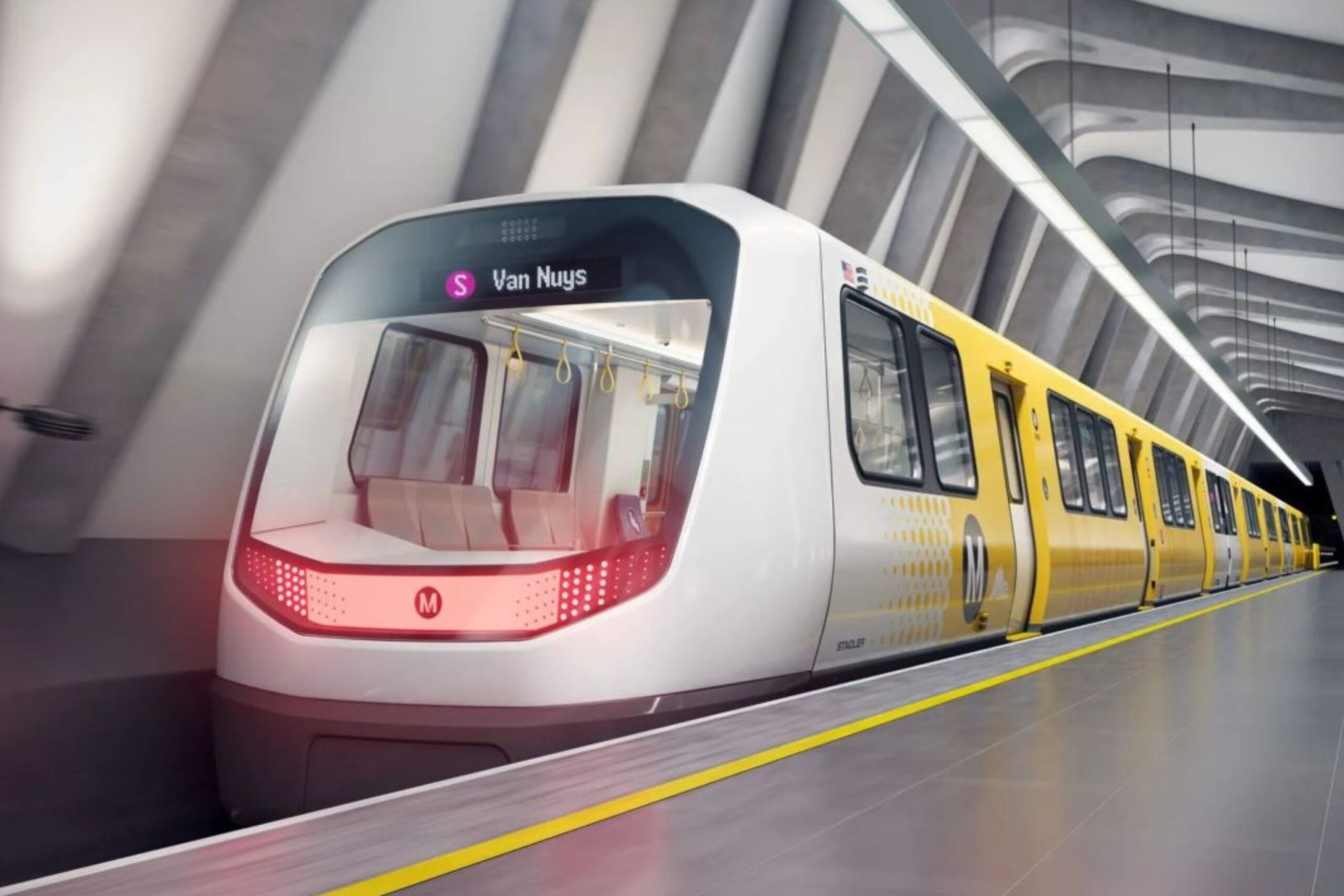
In a landmark vote Thursday, the Los Angeles County Metropolitan Transportation Authority (Metro) board of directors unanimously approved plans for a new underground heavy-rail line designed to dramatically improve transit between the San Fernando Valley and the Westside.
The project, part of Metro’s Sepulveda Transit Corridor initiative, calls for a nearly 13-mile underground rail line from Van Nuys to the Metro E Line/Expo Sepulveda Station with seven planned stations, including stops in Sherman Oaks, under Bel-Air and Beverly Crest, and on the UCLA campus.
Officials estimate construction could cost between $20 billion and $25 billion, making it one of the most ambitious transit projects in Los Angeles history. Metro expects the final figure to evolve as design work continues.
Transforming Congested Commutes
The new heavy-rail line aims to provide a fast, reliable alternative to the notoriously crowded 405 Freeway, where an estimated 400,000 commuters travel daily between the Valley and Westside. Metro planners say the rail option could slash travel times to around 20 minutes while removing tens of thousands of cars from one of the region’s most clogged corridors.
“This project adds a critical regional connection to Metro’s network,” said Metro senior planner Cecily Way. “It provides a fast, safe and reliable alternative to the congested 405 Freeway.”
Metro has identified funding from Measure M, the 2016 voter-approved transportation sales tax, to support the project’s early stages and environmental review. However, additional local, state and federal funding will be needed to carry the initiative through construction.
Underground By Design
The board’s Locally Preferred Alternative — a heavy-rail system entirely underground — was chosen after years of study and community input. Metro planners evaluated multiple options, including monorail and hybrid alignments, concluding that heavy rail offers the highest potential ridership and fastest service.
Tunnels would run at least 500 feet below the surface in some areas to minimize disruption and vibration in hillside communities such as Bel-Air and Beverly Crest.
Economic and Community Impact
Supporters highlight the project’s potential economic benefits. A Metro traffic study suggests the new rail line could generate nearly $1.8 billion annually in economic output by improving access to jobs, education and services across the region.
Commuters and transit advocates at the board meeting expressed broad support, pointing to long-standing traffic challenges and rising demand for alternatives to auto-centric travel. “I live in the Valley — this would make my commute easier,” said one commuter at a nearby gas station.
Next Steps
With the board’s approval of the preferred alternative, Metro will now refine designs and advance the final environmental impact report — a crucial step before construction can begin. Officials caution that “shovels in the ground” are still years away.
Additional items approved at the meeting include enhanced community outreach during design and exploration of future connections to other transit hubs, such as the Getty Center.
As Los Angeles continues to grapple with growth and congestion, this investment marks a major push toward a more connected, transit-oriented future.