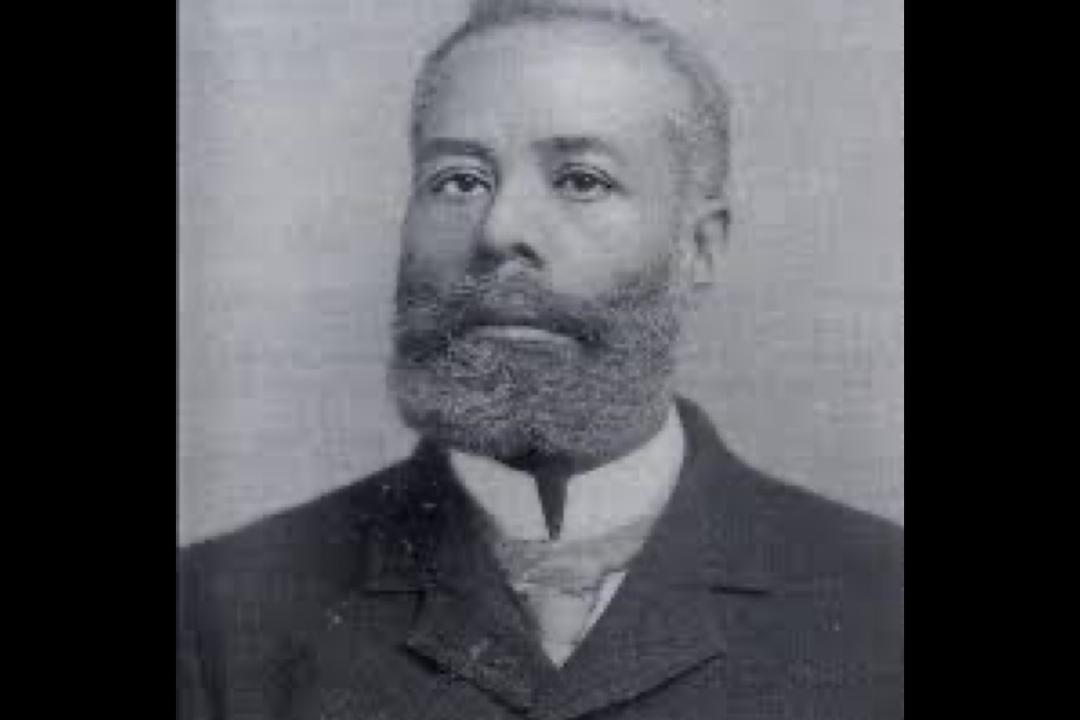
Today, we proudly honor Alexander Miles (May 18, 1838 – May 7, 1918) — a brilliant African American inventor and businessman whose innovations transformed elevator safety forever.
Early Life & Career
Born in Circleville, Ohio, Miles spent much of his early adulthood working as a barber in Waukesha, Wisconsin, where he first became known for his inventive hair care products. In 1879, he opened a successful barbershop in the St. Louis Hotel, Duluth, and used his earnings to buy a real estate office, becoming the first Black member of the Duluth Chamber of Commerce. In 1884, he constructed a three-story building known as the “Miles Block.”
The Elevator Invention
In 1887, Miles was awarded U.S. Patent 371,207 for a groundbreaking automatic elevator door mechanism, which allowed both elevator car doors and shaft doors to open and close automatically at each floor.
Before this invention, doors had to be opened manually, often leaving elevator shafts exposed and causing serious injuries or fatalities. Miles’ design used a flexible belt attached to the elevator cage and drums positioned along the shaft to trigger doors to open and close automatically via levers and rollers.
This innovation made elevators safer, more efficient, and more convenient, laying the foundation for modern automatic elevator doors used worldwide today.
Later Life & Legacy
In 1899, Miles moved to Chicago, founding a life insurance company, The United Brotherhood, advocating for racial equality and providing coverage to Black Americans denied by white-owned firms. Later, in Seattle, he became one of the wealthiest African Americans in the Pacific Northwest.
Miles’ automated elevator doors remain a standard safety feature, protecting countless passengers every day. His legacy is a powerful reminder of the critical contributions of Black inventors in shaping modern technology and urban life.
🏢 Thanks to Alexander Miles, elevators became safer, more efficient, and essential to the rise of modern cities.